Kawasaki Z1000 vs Kawasaki ZX-10R
The Kawasaki ZX-10R is more powerful, while the Kawasaki Z1000 has the lower seat. The Kawasaki ZX-10R delivers 200 hp (149 kW), and the Kawasaki Z1000 seat height is 815 mm. That gives the pair distinct strengths: the ZX-10R offers a substantial power advantage, while the Z1000’s lower seat can make ground reach easier. The best fit depends on whether you value stronger highway reserve, easier low-speed maneuvering, or a lower seating position.
Data for different model years: Kawasaki Z1000 — 2013; Kawasaki ZX-10R — 2019.
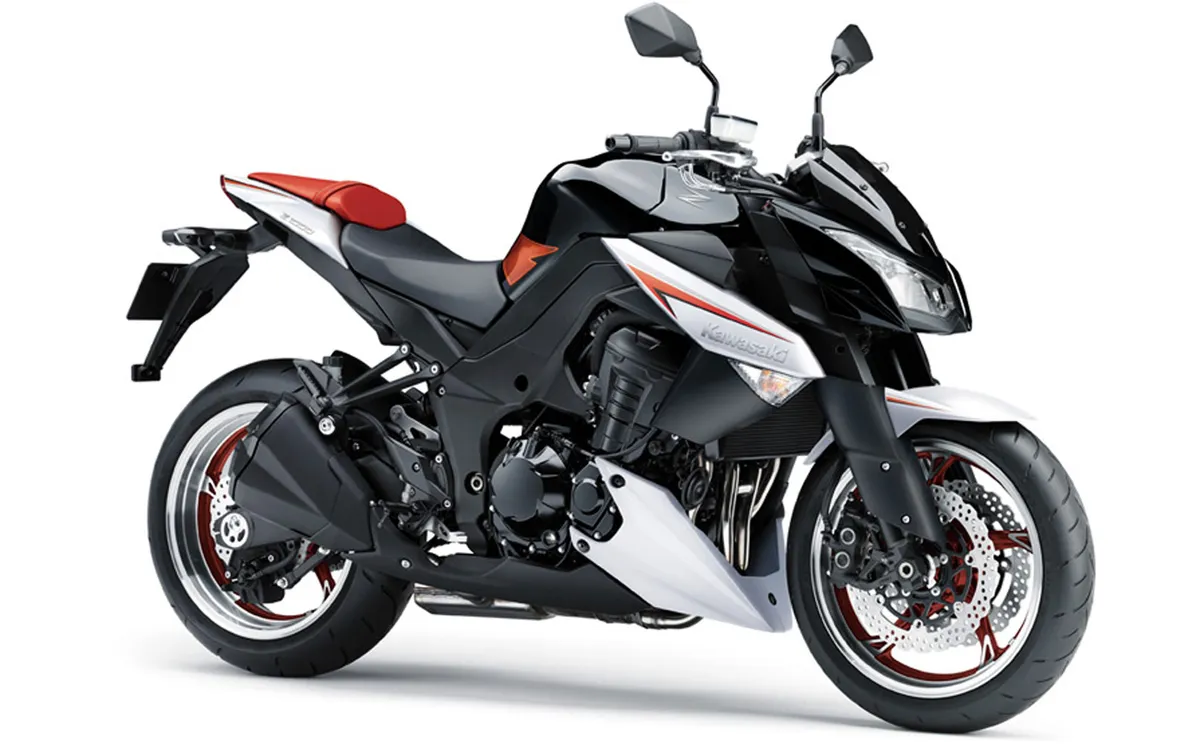
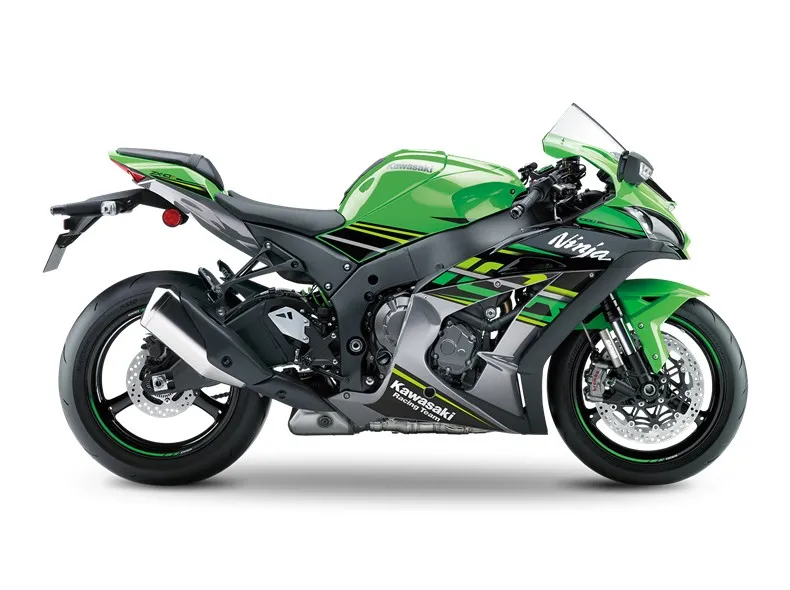
Kawasaki Z1000 vs Kawasaki ZX-10R: specifications
| Specifications side by side | Kawasaki Z1000Model year 2013 | Kawasaki ZX-10RModel year 2019 |
|---|---|---|
| Engine capacity | 1,043 cm³ | 998 cm³ |
| Power | 138 hp (103 kW) | 200 hp (149 kW) — Favorable value |
| Wet weight | 218.2 kg | 206 kg — Favorable value |
| Seat height | 815 mm | 835 mm |
| Fuel capacity | 15.1 L | 17 L — Favorable value |
Percentages use the second model as the baseline. Highlighting applies only to comparable power, torque, mass and fuel capacity; it does not predict handling or acceleration.
Engine
| Specifications side by side | Kawasaki Z1000Model year 2013 | Kawasaki ZX-10RModel year 2019 |
|---|---|---|
| Engine capacity | 1,043 cm³ | 998 cm³ |
| Power | 138 hp (103 kW) | 200 hp (149 kW) — Favorable value |
| Engine type | In-line four, four-stroke | In-line four, four-stroke |
| Bore × stroke | 77.0 x 56.0 mm | 76.0 x 55.0 mm |
| Compression ratio | 11.8:1 | 13.0:1 |
| Valves per cylinder | 4 | 4 |
| Cooling | Liquid | Liquid |
| Fuel system | Injection | Injection |
| Starting | Electric | Electric |
Transmission
| Specifications side by side | Kawasaki Z1000Model year 2013 | Kawasaki ZX-10RModel year 2019 |
|---|---|---|
| Gearbox | Manual 6-speed | Manual 6-speed |
| Clutch | Wet multi-disc, manual | Wet multi-disc, manual |
| Final drive | Chain | Chain |
Dimensions and weight
| Specifications side by side | Kawasaki Z1000Model year 2013 | Kawasaki ZX-10RModel year 2019 |
|---|---|---|
| Wet weight | 218.2 kg | 206 kg — Favorable value |
| Seat height | 815 mm | 835 mm |
| Length | 2,096 mm | 2,085 mm |
| Width | 805 mm | 740 mm |
| Height | 1,085 mm | 1,145 mm |
| Wheelbase | 1,440 mm | 1,395 mm |
| Ground clearance | 125 mm | 145 mm |
| Fuel capacity | 15.1 L | 17 L — Favorable value |
Chassis
| Specifications side by side | Kawasaki Z1000Model year 2013 | Kawasaki ZX-10RModel year 2019 |
|---|---|---|
| Frame | Aluminum Backbone | Twin spar, cast aluminium |
| Front suspension | 41 mm inverted cartridge fork with stepless compression and rebound damping, adjustable spring preload / 4.7 in. | 43mm inverted Balance Free Fork, adjustable stepless rebound and compression damping, spring preload adjustability |
| Rear suspension | Horizontal monoshock with stepless rebound damping, adjustable spring preload / 5.4 in. | Horizontal Back-link with BFRC lite gas-charged shock, piggyback reservoir, |
| Front wheel travel | 120 mm | 119 mm |
| Rear wheel travel | 135 mm | 140 mm |
| Rake | 24.5° | 25.0° |
| Trail | 104 mm | 107 mm |
Brakes
| Specifications side by side | Kawasaki Z1000Model year 2013 | Kawasaki ZX-10RModel year 2019 |
|---|---|---|
| Front brakes | Double disc. Petal-type rotors with radial-mount four-piston calipers | Double disc. Floating discs. Optional ABS. |
| Rear brakes | Single disc. Petal-type rotor with single-piston caliper | Single disc |
| Front brake diameter | 300 mm | 330 mm |
| Rear brake diameter | 250 mm | 220 mm |
| Front tire | 120/70-ZR17 | 120/70-ZR17 |
| Rear tire | 190/50-ZR17 | 190/55-ZR17 |
Key differences
This comparison uses Kawasaki Z1000 from 2013 and Kawasaki ZX-10R from 2019.
Power
Kawasaki Z1000
138 hp (103 kW)
Kawasaki ZX-10R
200 hp (149 kW)
Highlighted valueWet weight
Kawasaki Z1000
218.2 kg
Kawasaki ZX-10R
206 kg
Highlighted valueEngine capacity
Kawasaki Z1000
1,043 cm³
Highlighted valueKawasaki ZX-10R
998 cm³
Seat height
Kawasaki Z1000
815 mm
Highlighted valueKawasaki ZX-10R
835 mm
Kawasaki Z1000 vs Kawasaki ZX-10R: which one to choose?
- Choose Kawasaki ZX-10R if you want more acceleration reserve for highway riding with a passenger: 44.9 %.
- Choose Kawasaki ZX-10R if easier pushing and parking in city use matter: 12.2 kg lower comparable mass.
- Choose Kawasaki Z1000 if a lower seat helps you reach the ground: 20 mm.
FAQ
- Which motorcycle has more power?
- Kawasaki ZX-10R has more power: 200 hp (149 kW) versus 138 hp (103 kW).
- Which motorcycle weighs less?
- Kawasaki ZX-10R is lighter: 206 kg versus 218.2 kg, with both figures on a wet-weight basis.
- Does either motorcycle meet the A2 numerical limits?
- Neither meets the A2 numerical limits. By these data, check approval in your market.