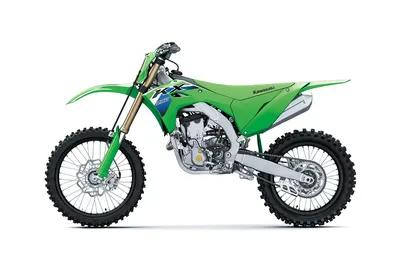
Kawasaki KX250X
2026
Enduro- Engine capacity
- 249 cm³
- Power
- —
Motorcycle catalogue
Enduro bikes are purpose-built off-road motorcycles designed to tackle rough terrain while staying practical enough for long days in the backcountry. They sit between motocross machines and trail bikes, pairing long-travel suspension, strong ground clearance, and a narrow, lightweight chassis with the lighting, electrics, and gearing needed for riding on legal trails. Their character is nimble, tough, and eager to climb, crawl, and flow through woods, rocks, ruts, and mud. They suit riders who want real off-road capability, from newer trail riders building skills to experienced competitors and adventurous explorers. Common uses include singletrack riding, forest roads, hill climbs, technical trials-style sections, organized enduro events, and linking remote routes where a heavier bike would struggle.
| Brand and model | Category | Years | Engine capacity | Power | Weight | Seat height |
|---|---|---|---|---|---|---|
| Kawasaki KX250X | Enduro | 2026 | 249 cm³ | — | 106 kg | 945 mm |
| Kawasaki KX 250XC | Enduro | 2020–present | 249 cm³ | 48 hp (36 kW) | 109 kg | 945 mm |
| Honda CRF 450RX | Enduro | 2017–present | 450 cm³ | 50 hp (37 kW) | 116.1 kg | 958 mm |
| Kawasaki KLX 140G | Enduro | 2017–present | 144 cm³ | 14.1 hp (10.5 kW) | 99 kg | 861 mm |
| Suzuki RMX 450Z | Enduro | 2017–2018 | 449 cm³ | 45 hp (33 kW) | 123.5 kg | 950 mm |
| Yamaha TT R230 | Enduro | 2016–2017 | 223 cm³ | 20 hp (15 kW) | 114 kg | 871 mm |
| Yamaha YZ 250X | Enduro | 2016–present | 249 cm³ | 25 hp (19 kW) | 103.9 kg | 975 mm |
| Yamaha YZ 450FX | Enduro | 2016–present | 450 cm³ | — | 112.9 kg | 955 mm |
| Honda CRF 450 Rally | Enduro | 2013–present | 449.7 cm³ | 51 hp (38 kW) | 111 kg | 953 mm |
| Honda CRF250X | Enduro | 2012–2013 | 249 cm³ | 25 hp (19 kW) | 115.2 kg | 958 mm |
| Kawasaki KLX 140L | Enduro | 2012–2013 | 144 cm³ | 14.1 hp (10.5 kW) | 95 kg | 800 mm |
| Yamaha TT R125LW | Enduro | 2012–2013 | 123.7 cm³ | 9.7 hp (7.2 kW) | 84 kg | 805 mm |
| Yamaha TT R125LW/E | Enduro | 2012–2013 | 124 cm³ | 15 hp (11 kW) | 90 kg | 805 mm |
| Kawasaki KLX 140 | Enduro | 2011–2012 | 144 cm³ | 14.1 hp (10.5 kW) | 93 kg | 780 mm |
| Kawasaki KLX 125 | Enduro | 2009–2010 | 125 cm³ | 10 hp (7.5 kW) | 113 kg | 831 mm |
| Honda CR F 100F | Enduro | 2006–present | 99 cm³ | 8 hp (6 kW) | 77.1 kg | 785 mm |
| Kawasaki KL X 125 L | Enduro | 2006–present | 124 cm³ | 15 hp (11 kW) | 81 kg | 805 mm |
| Kawasaki KL X 125 | Enduro | 2003–present | 125 cm³ | 10.3 hp (7.7 kW) | 113 kg | 830 mm |
| Suzuki RV 125 VAN VAN | Enduro | 2003–2016 | 125 cm³ | 12 hp (9 kW) | 117 kg | 770 mm |
| Yamaha WR 450F | Enduro | 2003–present | 450 cm³ | — | 116.1 kg | 955 mm |
| Honda XR 650R | Enduro | 2001–present | 649 cm³ | 71 hp (53 kW) | 125.6 kg | 935 mm |
| Yamaha TT-R 125LE | Enduro | 2000–2017 | 124 cm³ | 10 hp (7.5 kW) | 89.8 kg | 805 mm |
| Yamaha WR 250F | Enduro | 2000–present | 250 cm³ | — | 112.9 kg | 955 mm |
| Kawasaki KL X 300R | Enduro | 1996–present | 292 cm³ | 24 hp (18 kW) | 128 kg | 899 mm |
Kawasaki KX250X
2026
Enduro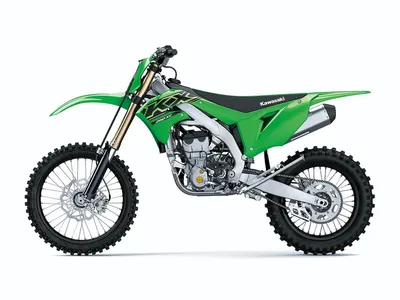
Kawasaki KX 250XC
2020–present
Enduro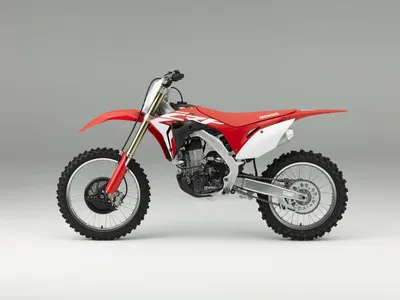
Honda CRF 450RX
2017–present
Enduro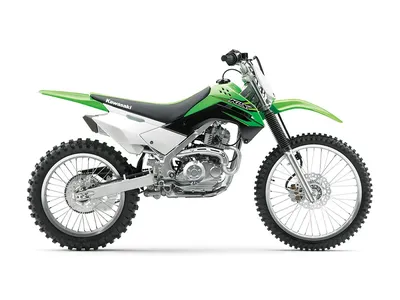
Kawasaki KLX 140G
2017–present
Enduro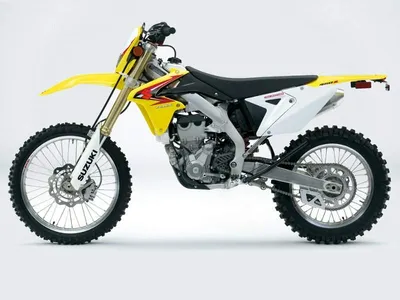
Suzuki RMX 450Z
2017–2018
Enduro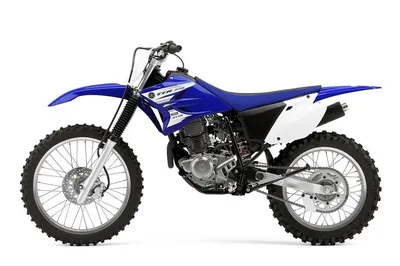
Yamaha TT R230
2016–2017
Enduro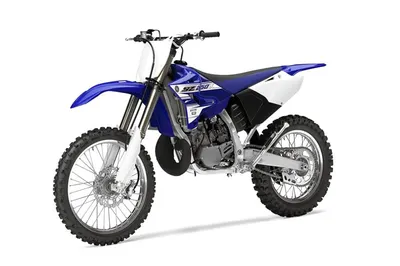
Yamaha YZ 250X
2016–present
Enduro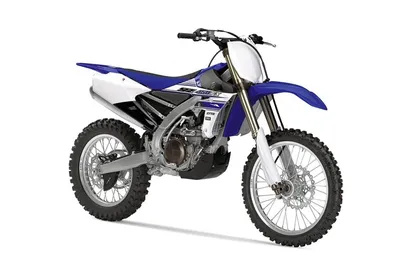
Yamaha YZ 450FX
2016–present
Enduro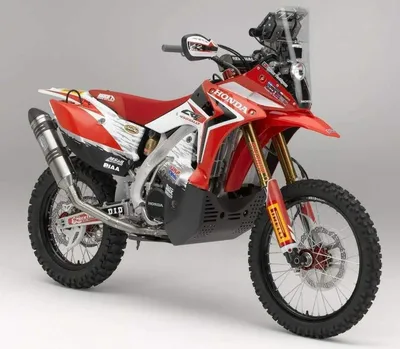
Honda CRF 450 Rally
2013–present
Enduro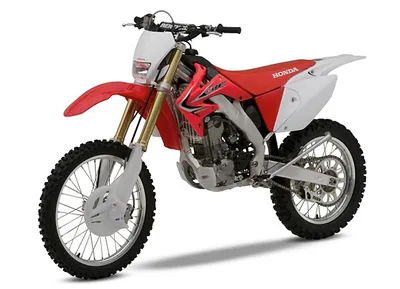
Honda CRF250X
2012–2013
Enduro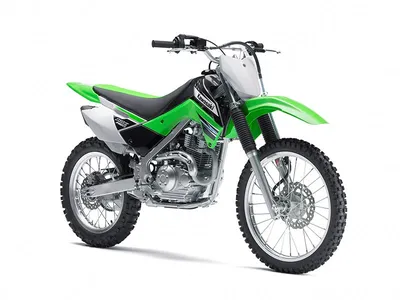
Kawasaki KLX 140L
2012–2013
Enduro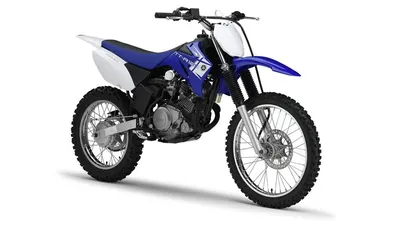
Yamaha TT R125LW
2012–2013
Enduro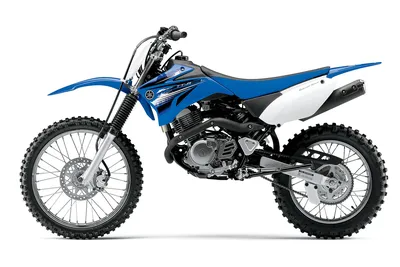
Yamaha TT R125LW/E
2012–2013
Enduro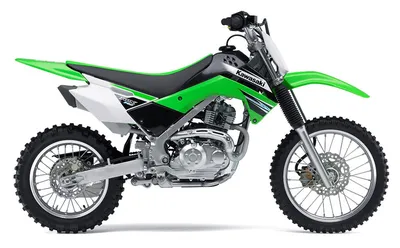
Kawasaki KLX 140
2011–2012
Enduro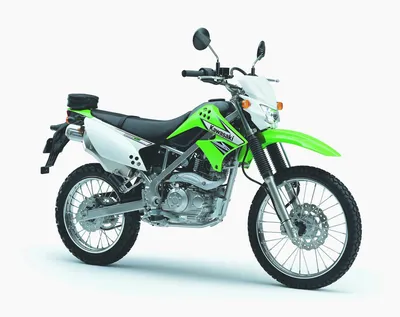
Kawasaki KLX 125
2009–2010
Enduro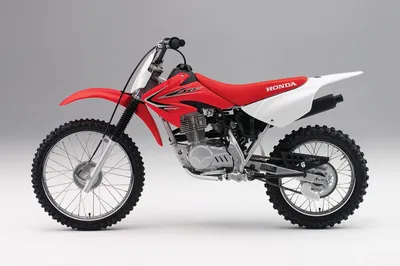
Honda CR F 100F
2006–present
Enduro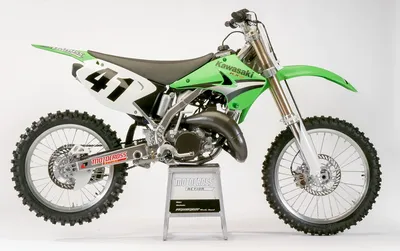
Kawasaki KL X 125 L
2006–present
Enduro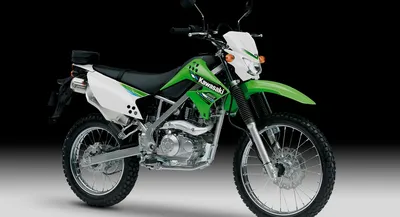
Kawasaki KL X 125
2003–present
Enduro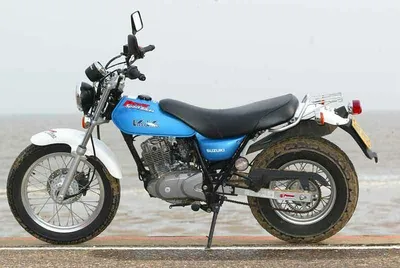
Suzuki RV 125 VAN VAN
2003–2016
Enduro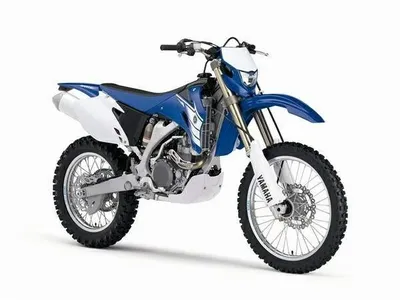
Yamaha WR 450F
2003–present
Enduro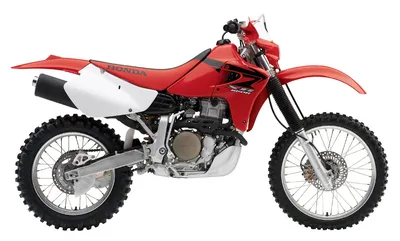
Honda XR 650R
2001–present
Enduro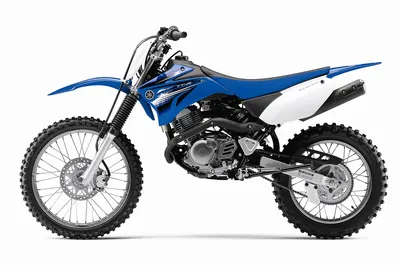
Yamaha TT-R 125LE
2000–2017
Enduro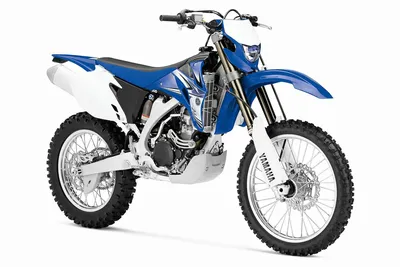
Yamaha WR 250F
2000–present
Enduro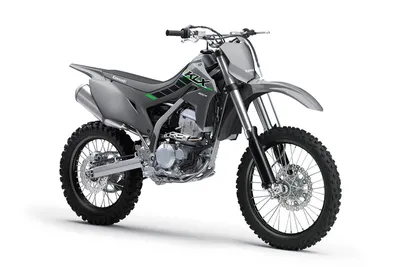
Kawasaki KL X 300R
1996–present
Enduro24 models
Medians and the middle half of values, calculated from the latest model-year profiles with available data.
Models to explore
Numerical A2 candidates
No A2-friendly examples in this category