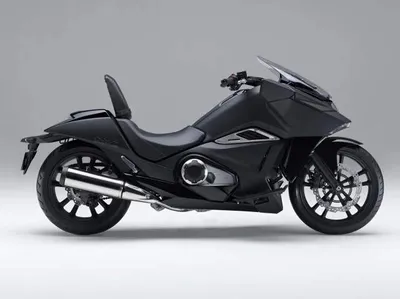
Honda NM4
2016
Supermoto- Engine capacity
- 670 cm³
- Power
- 74 hp (55 kW)
Motorcycle catalogue
Supermotos are street-legal motorcycles built on a dual-sport or off-road chassis and fitted with road-oriented wheels and tires. They combine tall suspension, a light frame, and a single-cylinder or compact twin engine with sharp brakes and grippy rubber. The result is a bike that feels playful, upright, and quick to change direction. Supermotos suit riders who enjoy tight, technical roads, urban riding, and the feeling of a bike that responds instantly to every input. Experienced riders who want a lively second bike often choose them, as do newer riders who like a narrow, light machine and an upright view of traffic. They work well for commuting, back-road fun, and track days on kart circuits, though long highway stints are not their strength.
| Brand and model | Category | Years | Engine capacity | Power | Weight | Seat height |
|---|---|---|---|---|---|---|
| Honda NM4 | Supermoto | 2016 | 670 cm³ | 74 hp (55 kW) | 254.9 kg | 650 mm |
| Honda CRF 250M | Supermoto | 2013–2015 | 249.6 cm³ | 23 hp (17 kW) | 146 kg | 881 mm |
| Yamaha WR 125X | Supermoto | 2012–2013 | 124.7 cm³ | 15 hp (11 kW) | 137 kg | 920 mm |
| Kawasaki KLX 250SF | Supermoto | 2009–present | 249 cm³ | 21 hp (16 kW) | 135 kg | 889 mm |
| Suzuki DR 125SM | Supermoto | 2009–2010 | 124 cm³ | 11 hp (8 kW) | 130 kg | 836 mm |
| Honda XR 400 Motard | Supermoto | 2005–present | 397 cm³ | 34 hp (25 kW) | 131 kg | 856 mm |
| Yamaha XT 125X | Supermoto | 2005–present | 124 cm³ | 9.8 hp (7.3 kW) | 120 kg | 860 mm |
| Suzuki DR-Z 400SM | Supermoto | 2004–present | 398 cm³ | 40 hp (30 kW) | 146 kg | 855 mm |
Honda NM4
2016
Supermoto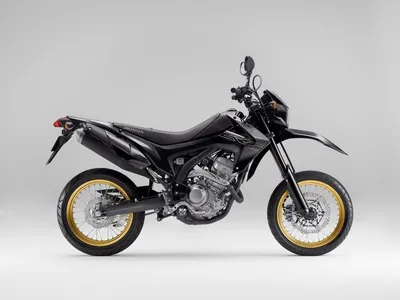
Honda CRF 250M
2013–2015
Supermoto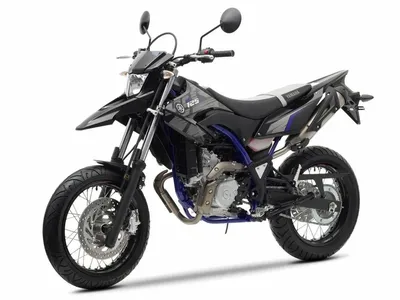
Yamaha WR 125X
2012–2013
Supermoto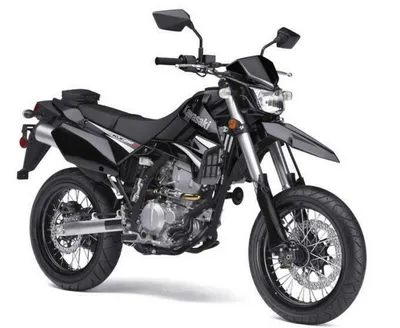
Kawasaki KLX 250SF
2009–present
Supermoto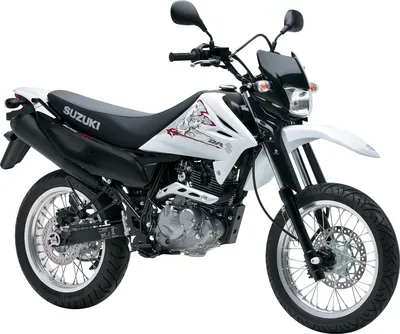
Suzuki DR 125SM
2009–2010
Supermoto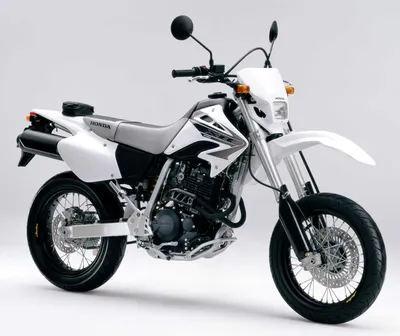
Honda XR 400 Motard
2005–present
Supermoto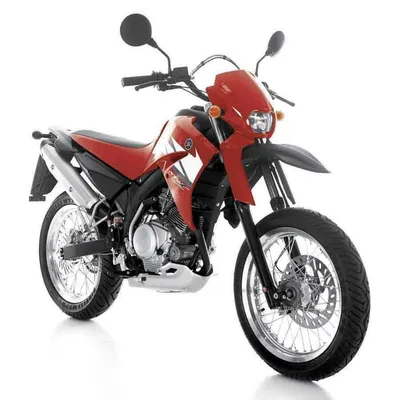
Yamaha XT 125X
2005–present
Supermoto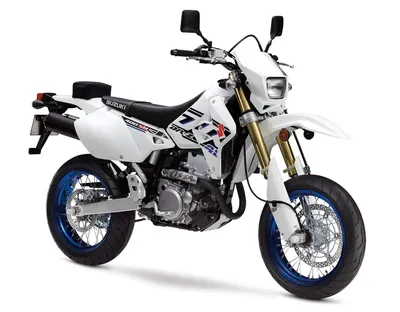
Suzuki DR-Z 400SM
2004–present
Supermoto8 models
Medians and the middle half of values, calculated from the latest model-year profiles with available data.
Models to explore
Numerical A2 candidates
No A2-friendly examples in this category