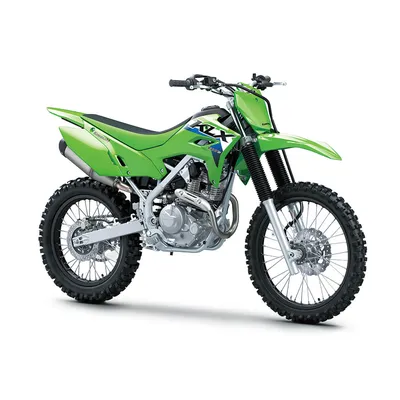
Kawasaki KLX230 R S
2026
Dual-sport- Engine capacity
- 233 cm³
- Power
- 19 hp (14 kW)
Motorcycle catalogue
Dual-sport motorcycles are street-legal machines built to handle pavement and unpaved terrain with equal willingness. They pair long-travel suspension, a tall stance, generous ground clearance and a slim chassis with lighting, mirrors and a license plate for public roads. Their character is versatile, upright and unfussy: they trade some highway refinement for the ability to leave the pavement without a trailer. They suit commuters who face broken roads, weekend explorers linking gravel tracks and forest trails, and newer riders who want to grow their off-road skills without owning two bikes. Practical uses include daily transport, backroad touring, camping access, farm and trail errands, and light adventure travel where surfaces change often. Buyers should focus on how honestly a bike matches the terrain they ride most.
| Brand and model | Category | Years | Engine capacity | Power | Weight | Seat height |
|---|---|---|---|---|---|---|
| Kawasaki KLX230 R S | Dual-sport | 2026 | 233 cm³ | 19 hp (14 kW) | 119 kg | 875 mm |
| Honda XR 650L | Dual-sport | 2025–present | 644 cm³ | 40 hp (30 kW) | 156.9 kg | 940 mm |
| Kawasaki KLX 250 CAMO | Dual-sport | 2018–present | 249 cm³ | 21 hp (16 kW) | 138 kg | 890 mm |
| Kawasaki KLR650 CAMO | Dual-sport | 2017–present | 651 cm³ | 42 hp (31 kW) | 196 kg | 889 mm |
| Suzuki DR 200S | Dual-sport | 2017–present | 199 cm³ | 20 hp (15 kW) | 126 kg | 845 mm |
| Suzuki DR 650S | Dual-sport | 2017–present | 644 cm³ | 42 hp (31 kW) | 166 kg | 885 mm |
| Suzuki DR Z400S | Dual-sport | 2017–present | 398 cm³ | 40 hp (30 kW) | 144 kg | 935 mm |
| Suzuki VANVAN 200 | Dual-sport | 2017–present | 199 cm³ | 16 hp (12 kW) | 128.5 kg | 770 mm |
| Suzuki RV 200 VAN VAN | Dual-sport | 2016–2017 | 199 cm³ | 20 hp (15 kW) | 128 kg | 770 mm |
| Yamaha TW 200 | Dual-sport | 2016–present | 196 cm³ | 16 hp (12 kW) | 126.1 kg | 790 mm |
| Suzuki TS 185ER | Dual-sport | 2015 | 183 cm³ | 18 hp (14 kW) | 102 kg | 835 mm |
| Yamaha WR 250R | Dual-sport | 2015–2016 | 250 cm³ | 31 hp (23 kW) | 134 kg | 930 mm |
| Suzuki DR200SE | Dual-sport | 2014–2015 | 199 cm³ | — | 126 kg | 846 mm |
| Yamaha XT250 | Dual-sport | 2013–2014 | 249 cm³ | 16 hp (12 kW) | 132 kg | 810 mm |
| Honda CRF 250L | Dual-sport | 2012–2013 | 249.6 cm³ | 23 hp (17 kW) | 146 kg | 874 mm |
| Yamaha WR 125R | Dual-sport | 2012–2013 | 125 cm³ | 15 hp (11 kW) | 137.9 kg | 874 mm |
| Honda XR E 300 | Dual-sport | 2010–present | 291.6 cm³ | 26 hp (19 kW) | 154 kg | 861 mm |
| Kawasaki KLR650 | Dual-sport | 2009–present | 651 cm³ | 42 hp (31 kW) | 196 kg | 889 mm |
| Kawasaki KLX 250S | Dual-sport | 2009–present | 249 cm³ | — | 135 kg | 889 mm |
| Kawasaki KL X 250S | Dual-sport | 2006–present | 249 cm³ | 21 hp (16 kW) | 135 kg | 884 mm |
| Honda XR 230 | Dual-sport | 2005–present | 223 cm³ | 22 hp (17 kW) | 122 kg | 805 mm |
| Yamaha Tricker | Dual-sport | 2005–2015 | 249 cm³ | 19 hp (14 kW) | 118 kg | 790 mm |
| Yamaha XT 660R | Dual-sport | 2004–present | 660 cm³ | 47 hp (35 kW) | 181 kg | 875 mm |
| Honda SL 230 | Dual-sport | 2003–2013 | 223 cm³ | 20 hp (15 kW) | 106 kg | 805 mm |
Kawasaki KLX230 R S
2026
Dual-sport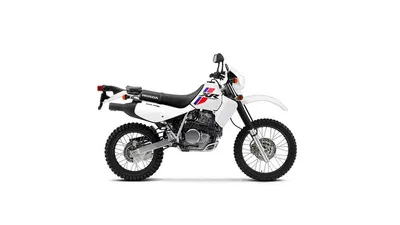
Honda XR 650L
2025–present
Dual-sport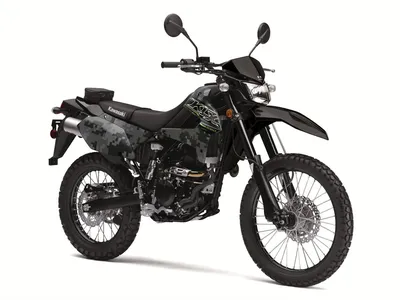
Kawasaki KLX 250 CAMO
2018–present
Dual-sport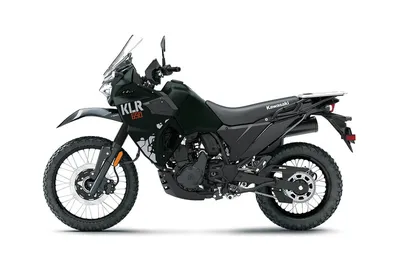
Kawasaki KLR650 CAMO
2017–present
Dual-sport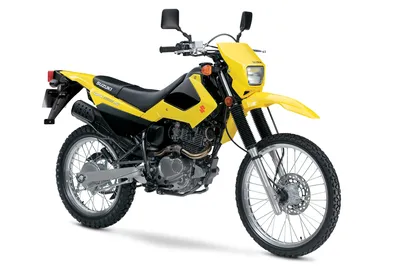
Suzuki DR 200S
2017–present
Dual-sport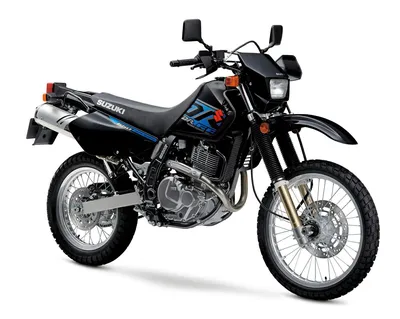
Suzuki DR 650S
2017–present
Dual-sport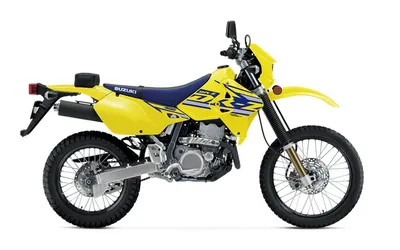
Suzuki DR Z400S
2017–present
Dual-sport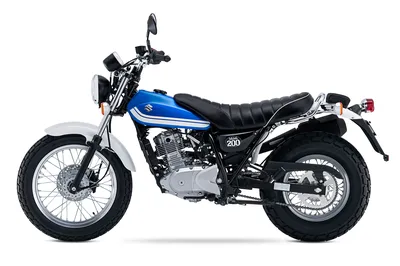
Suzuki VANVAN 200
2017–present
Dual-sport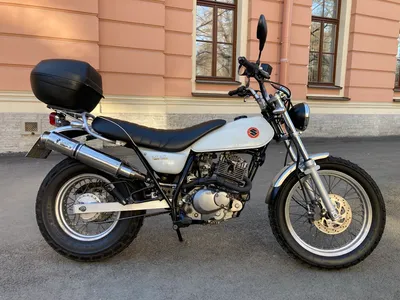
Suzuki RV 200 VAN VAN
2016–2017
Dual-sport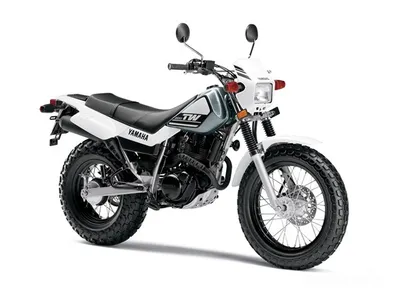
Yamaha TW 200
2016–present
Dual-sport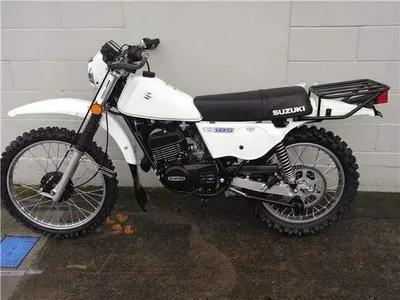
Suzuki TS 185ER
2015
Dual-sport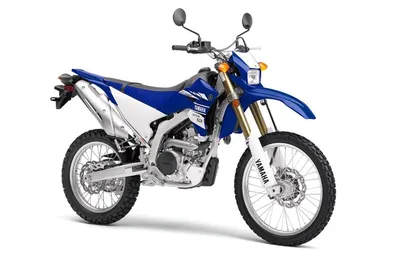
Yamaha WR 250R
2015–2016
Dual-sport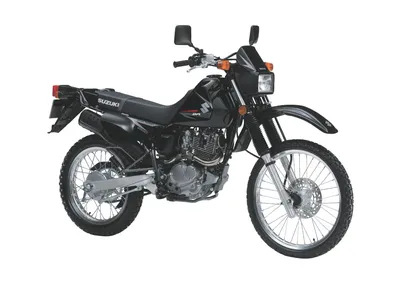
Suzuki DR200SE
2014–2015
Dual-sport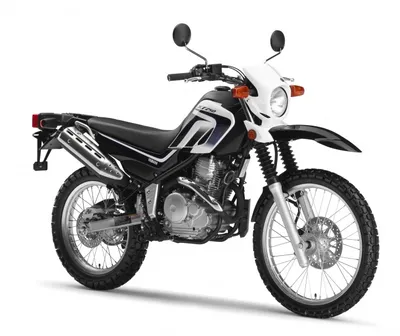
Yamaha XT250
2013–2014
Dual-sport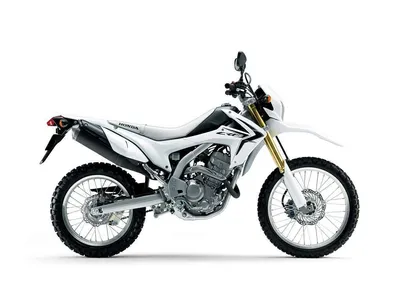
Honda CRF 250L
2012–2013
Dual-sport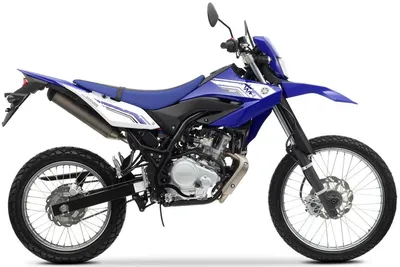
Yamaha WR 125R
2012–2013
Dual-sport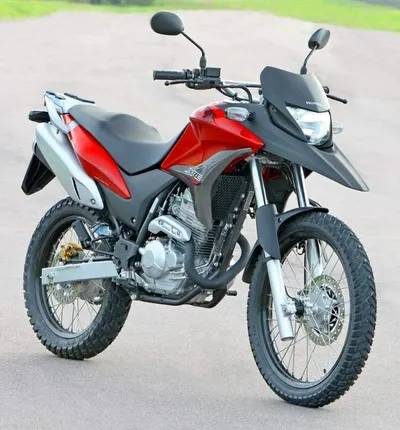
Honda XR E 300
2010–present
Dual-sportKawasaki KLR650
2009–present
Dual-sport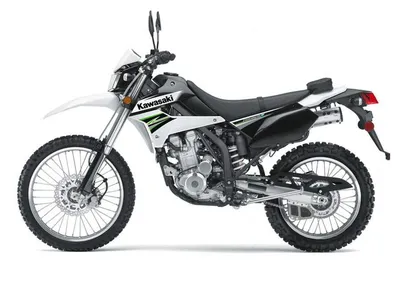
Kawasaki KLX 250S
2009–present
Dual-sportKawasaki KL X 250S
2006–present
Dual-sport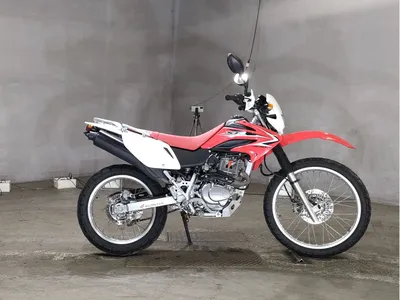
Honda XR 230
2005–present
Dual-sport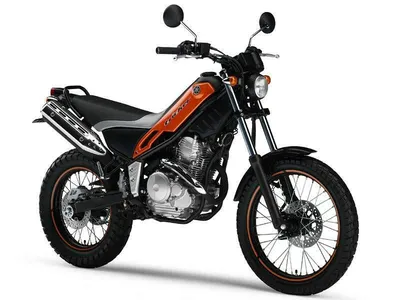
Yamaha Tricker
2005–2015
Dual-sport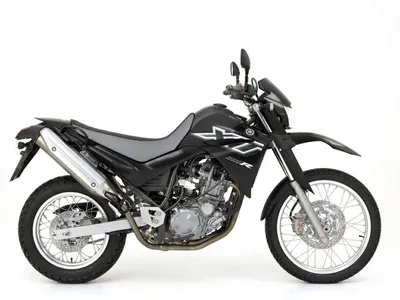
Yamaha XT 660R
2004–present
Dual-sport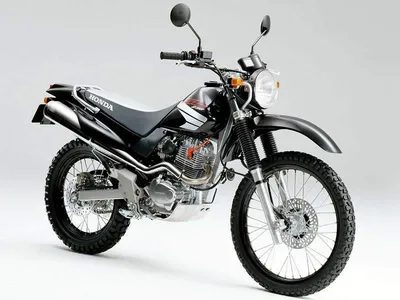
Honda SL 230
2003–2013
Dual-sport29 models
Medians and the middle half of values, calculated from the latest model-year profiles with available data.
Models to explore
Numerical A2 candidates
These profiles meet the 35 kW and 0.2 kW/kg limits. Check market approval and the original unrestricted power before choosing an A2 motorcycle.