Suzuki GSX-8S vs Yamaha XSR700
The Suzuki GSX-8S is more powerful, while the Yamaha XSR700 is lighter. The Suzuki GSX-8S produces 82 hp (61 kW), giving it the stronger stated output; the Yamaha XSR700 has the lower wet weight. Their naked and retro designs mark different approaches, while seat reach and city maneuvering also distinguish them. The Suzuki has the lower seat, and the Yamaha is easier to push and park in city use, so the practical choice depends on which of those differences matters more.
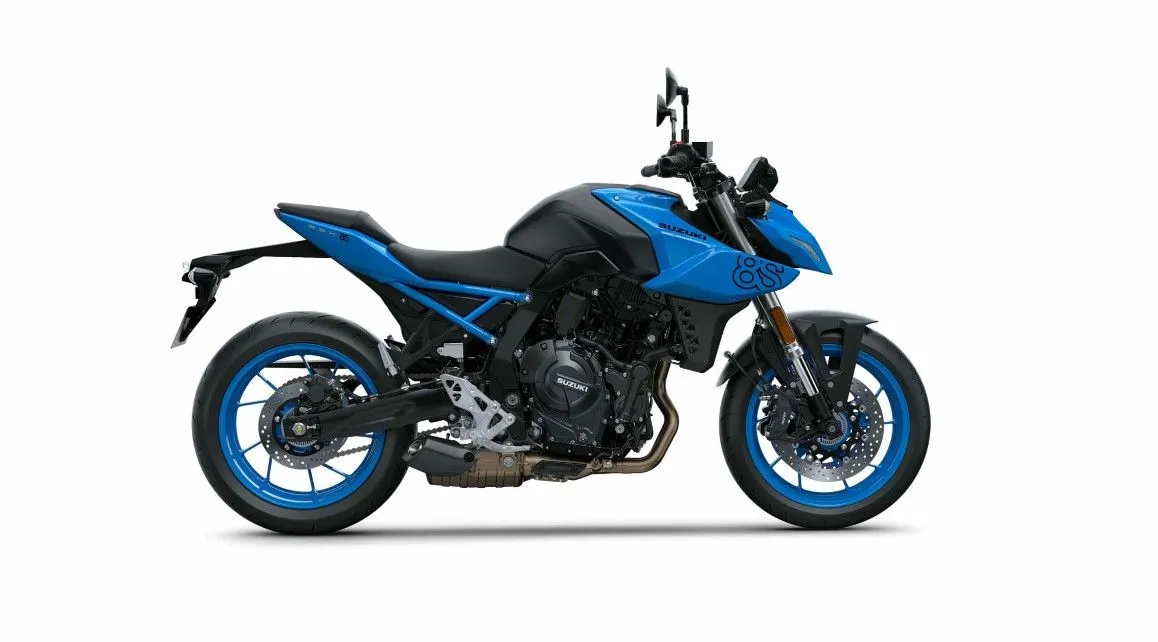
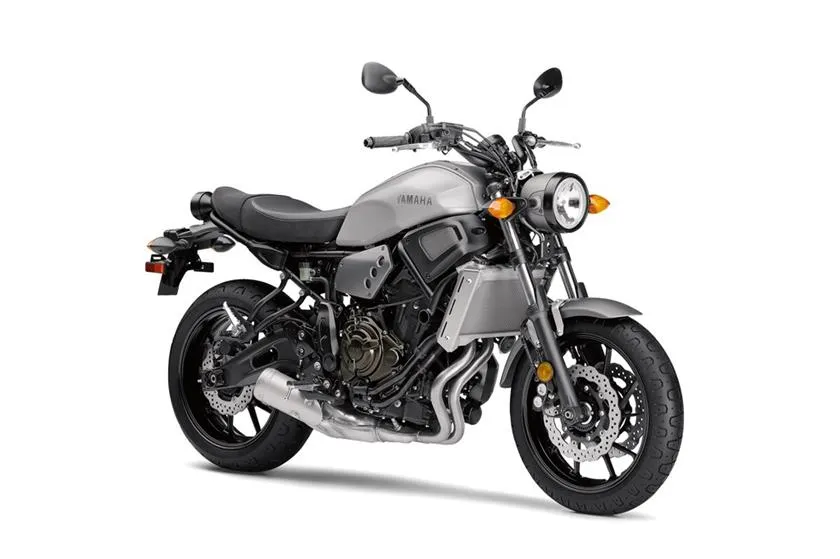
Suzuki GSX-8S vs Yamaha XSR700: specifications
| Specifications side by side | Suzuki GSX-8SModel year 2026 | Yamaha XSR700Model year 2026 |
|---|---|---|
| Engine capacity | 776 cm³ | 689 cm³ |
| Power | 82 hp (61 kW) — Favorable value | 72 hp (54 kW) |
| Wet weight | 202 kg | 186 kg — Favorable value |
| Seat height | 810 mm | 836 mm |
| Fuel capacity | 14 L | 14 L |
Percentages use the second model as the baseline. Highlighting applies only to comparable power, torque, mass and fuel capacity; it does not predict handling or acceleration.
Engine
| Specifications side by side | Suzuki GSX-8SModel year 2026 | Yamaha XSR700Model year 2026 |
|---|---|---|
| Engine capacity | 776 cm³ | 689 cm³ |
| Power | 82 hp (61 kW) — Favorable value | 72 hp (54 kW) |
| Torque | 78 Nm — Favorable value | 6.9 Nm |
| Engine type | Parallel Twin, four-stroke | Parallel Twin, four-stroke |
| Bore × stroke | 84.0 x 70.0 mm | 80.0 x 68.6 mm |
| Compression ratio | 12.8:1 | 11.5:1 |
| Valves per cylinder | 4 | 4 |
| Cooling | Liquid | Liquid |
| Fuel system | Injection | Injection |
| Starting | Electric | Electric |
Transmission
| Specifications side by side | Suzuki GSX-8SModel year 2026 | Yamaha XSR700Model year 2026 |
|---|---|---|
| Gearbox | Manual 6-speed | Manual 6-speed |
| Clutch | Wet, multi-plate | Wet, multiplate |
| Final drive | Shaft | Chain |
Dimensions and weight
| Specifications side by side | Suzuki GSX-8SModel year 2026 | Yamaha XSR700Model year 2026 |
|---|---|---|
| Wet weight | 202 kg | 186 kg — Favorable value |
| Seat height | 810 mm | 836 mm |
| Length | 2,115 mm | 2,075 mm |
| Width | 775 mm | 820 mm |
| Height | 1,105 mm | 1,130 mm |
| Wheelbase | 1,465 mm | 1,405 mm |
| Ground clearance | 145 mm | 140 mm |
| Fuel capacity | 14 L | 14 L |
Chassis
| Specifications side by side | Suzuki GSX-8SModel year 2026 | Yamaha XSR700Model year 2026 |
|---|---|---|
| Frame | Steel | Diamond |
| Front suspension | Inverted telescopic, coil spring, oil damped | 41mm telescopic fork |
| Rear suspension | Link type, coil spring, oil damped | Single shock, adjustable preload |
| Front wheel travel | 130 mm | 130 mm |
| Rear wheel travel | 130 mm | 130 mm |
| Rake | 25.0° | 25.0° |
| Trail | 104 mm | 89 mm |
Brakes
| Specifications side by side | Suzuki GSX-8SModel year 2026 | Yamaha XSR700Model year 2026 |
|---|---|---|
| Front brakes | Double disc. ABS. Nissin, radial-mount 4-piston calipers | Double disc. Hydraulic. ABS. |
| Rear brakes | Single disc. ABS. Nissin, 1-piston caliper | Single disc. Hydraulic. ABS. |
| Front tire | 120/70ZR17M/C (58W) | 120/70-ZR17 |
| Rear tire | 180/55ZR17M/C (73W) | 180/55-ZR17 |
| ABS | Yes | Yes |
Key differences
This comparison uses Suzuki GSX-8S from 2026 and Yamaha XSR700 from 2026.
Power
Suzuki GSX-8S
82 hp (61 kW)
Highlighted valueYamaha XSR700
72 hp (54 kW)
Wet weight
Suzuki GSX-8S
202 kg
Yamaha XSR700
186 kg
Highlighted valueEngine capacity
Suzuki GSX-8S
776 cm³
Highlighted valueYamaha XSR700
689 cm³
Torque
Suzuki GSX-8S
78 Nm
Highlighted valueYamaha XSR700
6.9 Nm
Seat height
Suzuki GSX-8S
810 mm
Highlighted valueYamaha XSR700
836 mm
Suzuki GSX-8S vs Yamaha XSR700: which one to choose?
- Choose Yamaha XSR700 if city pushing and parking are priorities; its comparable wet weight is lower by 16 kg.
- Choose Suzuki GSX-8S if a lower seat helps you reach the ground; its seat is lower by 26 mm.
FAQ
- Which has the larger engine?
- The Suzuki GSX-8S has the larger engine, at 776 cm³ compared with 689 cm³ for the Yamaha XSR700.
- Do they have the same tank capacity?
- Yes, both have a 14 L tank.
- What are their seat heights?
- The Suzuki GSX-8S has an 810 mm seat height, while the Yamaha XSR700 has an 836 mm seat height.