Yamaha XJ 6 Diversion vs Suzuki SV650
The Yamaha XJ 6 Diversion is more powerful, while the Suzuki SV650 is lighter; the Yamaha also has the lower seat. The Yamaha XJ 6 Diversion produces 76 hp (57 kW), and its 785 mm seat height may help riders who want easier ground reach when stopped. The Suzuki’s lower mass is a practical distinction when moving the bike at low speed or parking, while the Yamaha’s seat advantage is relevant at stops. Both are naked motorcycles with closely matched power.
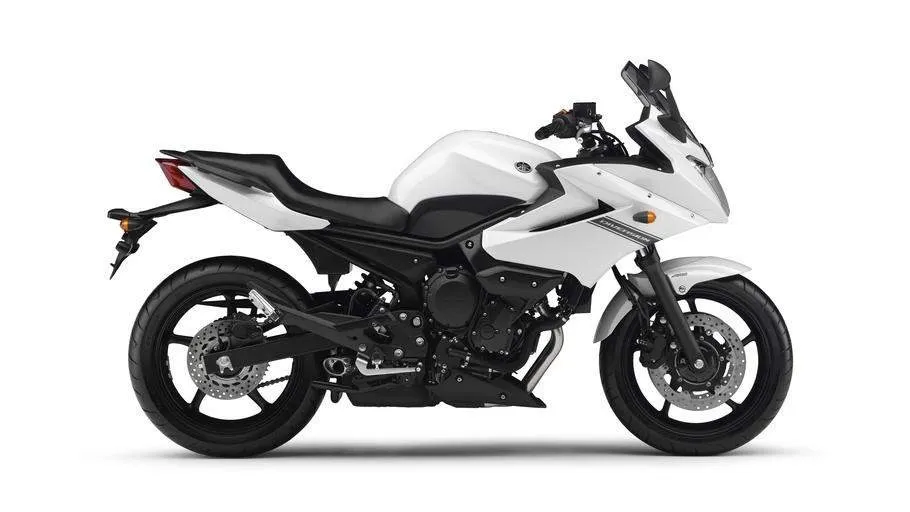
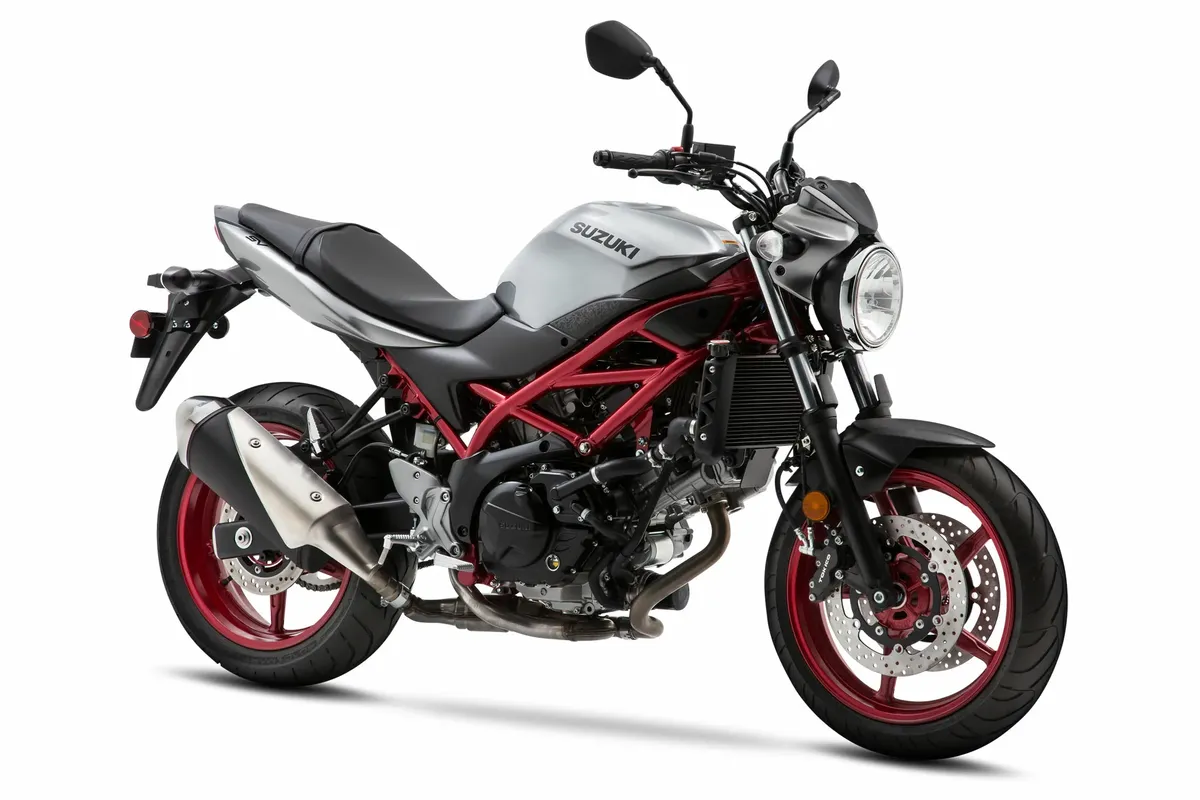
Yamaha XJ 6 Diversion vs Suzuki SV650: specifications
| Specifications side by side | Yamaha XJ 6 DiversionModel year 2009 | Suzuki SV650Model year 2009 |
|---|---|---|
| Engine capacity | 600 cm³ | 645 cm³ |
| Power | 76 hp (57 kW) — Favorable value | 75 hp (56 kW) |
| Wet weight | 211 kg | — |
| Dry weight | 198 kg | 172 kg — Favorable value |
| Seat height | 785 mm | 800 mm |
| Fuel capacity | 17.3 L — Favorable value | 17 L |
Percentages use the second model as the baseline. Highlighting applies only to comparable power, torque, mass and fuel capacity; it does not predict handling or acceleration.
Engine
| Specifications side by side | Yamaha XJ 6 DiversionModel year 2009 | Suzuki SV650Model year 2009 |
|---|---|---|
| Engine capacity | 600 cm³ | 645 cm³ |
| Power | 76 hp (57 kW) — Favorable value | 75 hp (56 kW) |
| Engine type | In-line four, four-stroke | V-Twin, four-stroke |
| Compression ratio | 12.2:1 | 11.5:1 |
| Cooling | Liquid | Liquid |
| Fuel system | Injection | Injection |
| Starting | Electric | Electric |
Transmission
| Specifications side by side | Yamaha XJ 6 DiversionModel year 2009 | Suzuki SV650Model year 2009 |
|---|---|---|
| Gearbox | Manual 6-speed | Manual 6-speed |
| Final drive | Chain | Chain |
Dimensions and weight
| Specifications side by side | Yamaha XJ 6 DiversionModel year 2009 | Suzuki SV650Model year 2009 |
|---|---|---|
| Dry weight | 198 kg | 172 kg — Favorable value |
| Seat height | 785 mm | 800 mm |
| Length | 2,120 mm | 2,085 mm |
| Width | 770 mm | 730 mm |
| Height | 1,210 mm | 1,170 mm |
| Wheelbase | 1,440 mm | 1,425 mm |
| Fuel capacity | 17.3 L — Favorable value | 17 L |
Chassis
| Specifications side by side | Yamaha XJ 6 DiversionModel year 2009 | Suzuki SV650Model year 2009 |
|---|---|---|
| Front suspension | Telescopic fork | Telescopic, coil spring, oil damped |
| Rear suspension | Swingarm (monocross) | Link, type, coil spring, oil damped |
Brakes
| Specifications side by side | Yamaha XJ 6 DiversionModel year 2009 | Suzuki SV650Model year 2009 |
|---|---|---|
| Front brakes | Double disc | Double disc |
| Rear brakes | Single disc | Single disc |
| Front tire | 120/70-ZR17 | 120/60-ZR17 |
| Rear tire | 160/60-ZR17 | 160/60-ZR17 |
Key differences
This comparison uses Yamaha XJ 6 Diversion from 2009 and Suzuki SV650 from 2009.
Power
Yamaha XJ 6 Diversion
76 hp (57 kW)
Highlighted valueSuzuki SV650
75 hp (56 kW)
Dry weight
Yamaha XJ 6 Diversion
198 kg
Suzuki SV650
172 kg
Highlighted valueEngine capacity
Yamaha XJ 6 Diversion
600 cm³
Suzuki SV650
645 cm³
Highlighted valueSeat height
Yamaha XJ 6 Diversion
785 mm
Highlighted valueSuzuki SV650
800 mm
Yamaha XJ 6 Diversion vs Suzuki SV650: which one to choose?
- Choose Suzuki SV650 if city maneuvering and parking matter; its dry weight is 26 kg lower.
- Choose Yamaha XJ 6 Diversion if easier ground reach at stops is important; its seat is 15 mm lower.
FAQ
- Which motorcycle has more power?
- The Yamaha XJ 6 Diversion has 76 hp (57 kW), compared with 75 hp (56 kW) for the Suzuki SV650.
- Which motorcycle has the larger engine capacity?
- The Suzuki SV650 has the larger capacity at 645 cm³, compared with 600 cm³ for the Yamaha XJ 6 Diversion.
- Does either motorcycle fit the numerical A2 limits?
- Neither fits the numerical A2 limits; by these data, check approval in your market.