Yamaha XJR1300 vs Suzuki Bandit 1250
The Yamaha XJR1300 is more powerful and lighter than the Suzuki Bandit 1250. The Yamaha XJR1300 produces 98 hp (73 kW). Both are large-displacement naked motorcycles with closely matched output, and neither has a meaningful capacity edge. The Yamaha’s lower seat and lower wet weight may make it easier to manage at a standstill, while the Suzuki offers a similar overall performance profile. The choice comes down to whether those practical differences match your priorities.
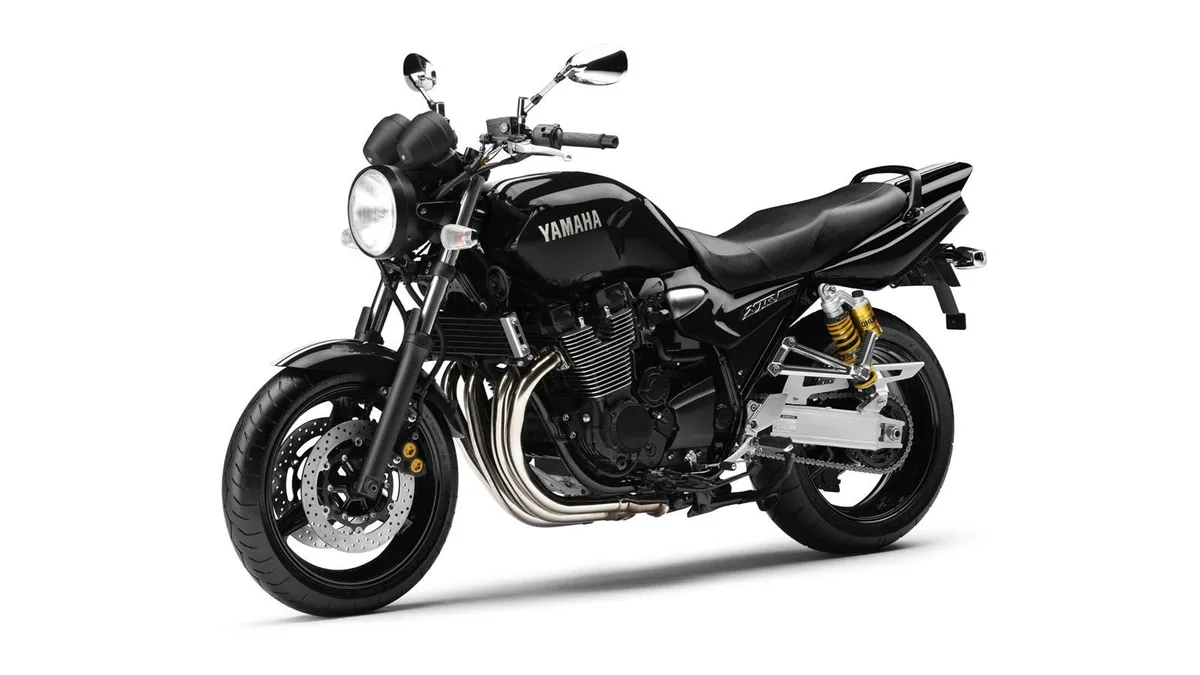
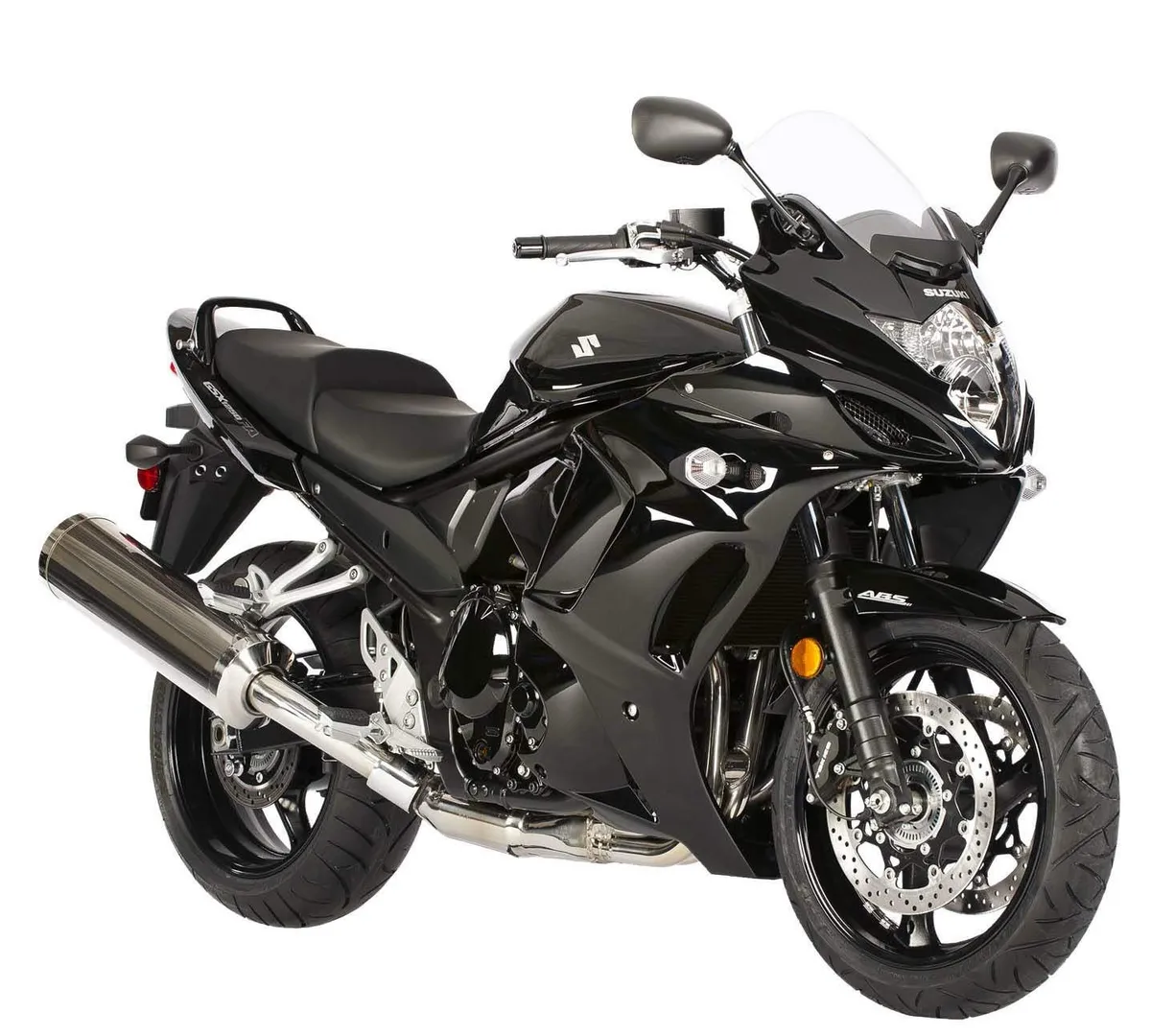
Yamaha XJR1300 vs Suzuki Bandit 1250: specifications
| Specifications side by side | Yamaha XJR1300Model year 2018 | Suzuki Bandit 1250Model year 2018 |
|---|---|---|
| Engine capacity | 1,251 cm³ | 1,255 cm³ |
| Power | 98 hp (73 kW) — Favorable value | 97 hp (72 kW) |
| Wet weight | 245 kg — Favorable value | 257 kg |
| Seat height | 795 mm | 805 mm |
| Fuel capacity | 21 L — Favorable value | 19 L |
Percentages use the second model as the baseline. Highlighting applies only to comparable power, torque, mass and fuel capacity; it does not predict handling or acceleration.
Engine
| Specifications side by side | Yamaha XJR1300Model year 2018 | Suzuki Bandit 1250Model year 2018 |
|---|---|---|
| Engine capacity | 1,251 cm³ | 1,255 cm³ |
| Power | 98 hp (73 kW) — Favorable value | 97 hp (72 kW) |
| Torque | 108.4 Nm — Favorable value | 108 Nm |
| Engine type | In-line four, four-stroke | In-line four, four-stroke |
| Bore × stroke | 79.0 x 63.8 mm | 79.0 x 64.0 mm |
| Compression ratio | 9.7:1 | 10.5:1 |
| Cooling | Air | Liquid |
| Fuel system | Injection | Injection |
| Starting | Electric | Electric |
Transmission
| Specifications side by side | Yamaha XJR1300Model year 2018 | Suzuki Bandit 1250Model year 2018 |
|---|---|---|
| Gearbox | Manual 5-speed | Manual 6-speed |
| Clutch | Wet, multiple-disc coil spring | Hydraulic clutch with coil springs |
| Final drive | Chain | Chain |
Dimensions and weight
| Specifications side by side | Yamaha XJR1300Model year 2018 | Suzuki Bandit 1250Model year 2018 |
|---|---|---|
| Wet weight | 245 kg — Favorable value | 257 kg |
| Seat height | 795 mm | 805 mm |
| Length | 2,175 mm | 2,130 mm |
| Width | 765 mm | 790 mm |
| Height | 1,120 mm | 1,245 mm |
| Wheelbase | 1,500 mm | 1,485 mm |
| Ground clearance | 125 mm | 135 mm |
| Fuel capacity | 21 L — Favorable value | 19 L |
Chassis
| Specifications side by side | Yamaha XJR1300Model year 2018 | Suzuki Bandit 1250Model year 2018 |
|---|---|---|
| Frame | Steel double cradle | Classic tube-frame chassis |
| Front suspension | Telescopic forks. | Telescopic, coil spring, oil damped |
| Rear suspension | Swingarm. Öhlins. | Link type, coil spring, oil damped |
| Rake | 25.0° | 25.6° |
| Trail | 100 mm | 104 mm |
Brakes
| Specifications side by side | Yamaha XJR1300Model year 2018 | Suzuki Bandit 1250Model year 2018 |
|---|---|---|
| Front brakes | Double disc. Hydraulic | Double disc. Digital ABS |
| Rear brakes | Single disc. Hydraulic | Single disc. Digital ABS |
| Front brake diameter | 298 mm | 310 mm |
| Rear brake diameter | 267 mm | 240 mm |
| Front tire | 120/70-ZR17 | 120/70-ZR17 |
| Rear tire | 180/55-ZR17 | 180/55-ZR17 |
Key differences
This comparison uses Yamaha XJR1300 from 2018 and Suzuki Bandit 1250 from 2018.
Power
Yamaha XJR1300
98 hp (73 kW)
Highlighted valueSuzuki Bandit 1250
97 hp (72 kW)
Wet weight
Yamaha XJR1300
245 kg
Highlighted valueSuzuki Bandit 1250
257 kg
Engine capacity
Yamaha XJR1300
1,251 cm³
Suzuki Bandit 1250
1,255 cm³
Torque
Yamaha XJR1300
108.4 Nm
Highlighted valueSuzuki Bandit 1250
108 Nm
Seat height
Yamaha XJR1300
795 mm
Highlighted valueSuzuki Bandit 1250
805 mm
Yamaha XJR1300 vs Suzuki Bandit 1250: which one to choose?
- Choose Yamaha XJR1300 if easier pushing and parking in city use matters; its comparable wet weight is lower by 12 kg.
- Choose Yamaha XJR1300 if reaching the ground matters; its seat is lower by 10 mm.
FAQ
- Which motorcycle has more power?
- The Yamaha XJR1300 is more powerful, with 98 hp (73 kW) versus 97 hp (72 kW) for the Suzuki Bandit 1250.
- Which motorcycle weighs less?
- The Yamaha XJR1300 has the lower wet weight, at 245 kg versus 257 kg for the Suzuki Bandit 1250.
- Which motorcycle has the lower seat?
- The Yamaha XJR1300 has the lower seat at 795 mm, compared with 805 mm for the Suzuki Bandit 1250.