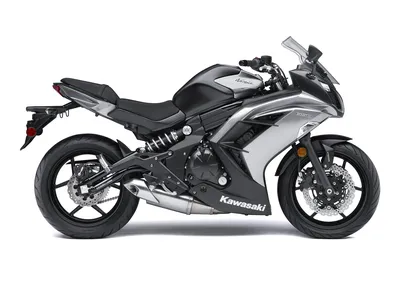
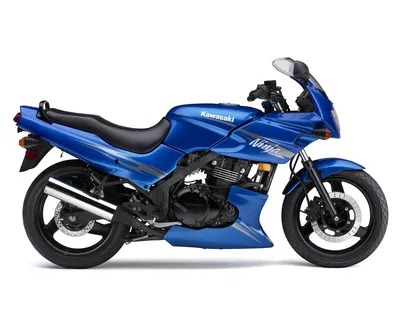
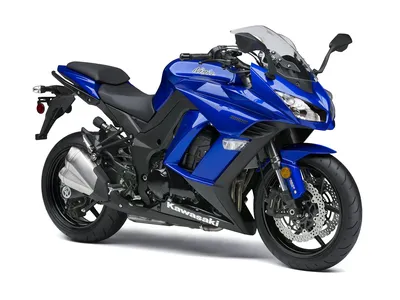
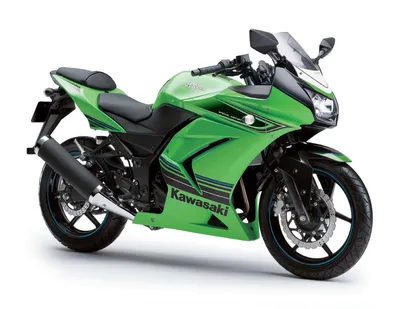
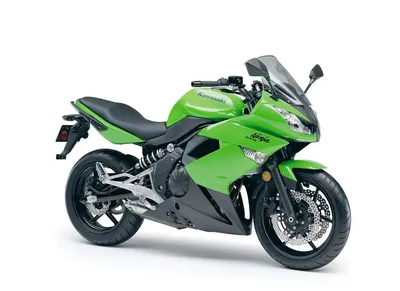
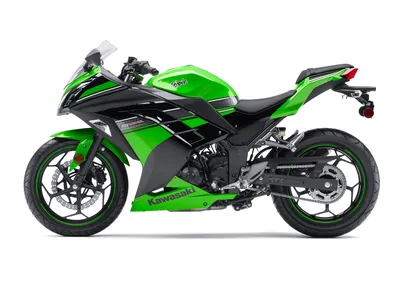
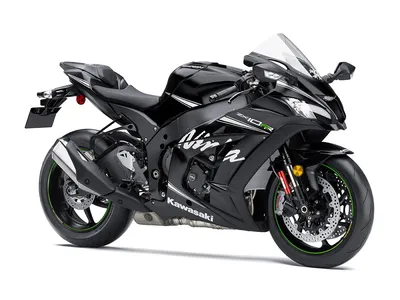
Kawasaki Ninja 650
- Production years
- 2012–2026
- Brand
- Kawasaki
Choose model year
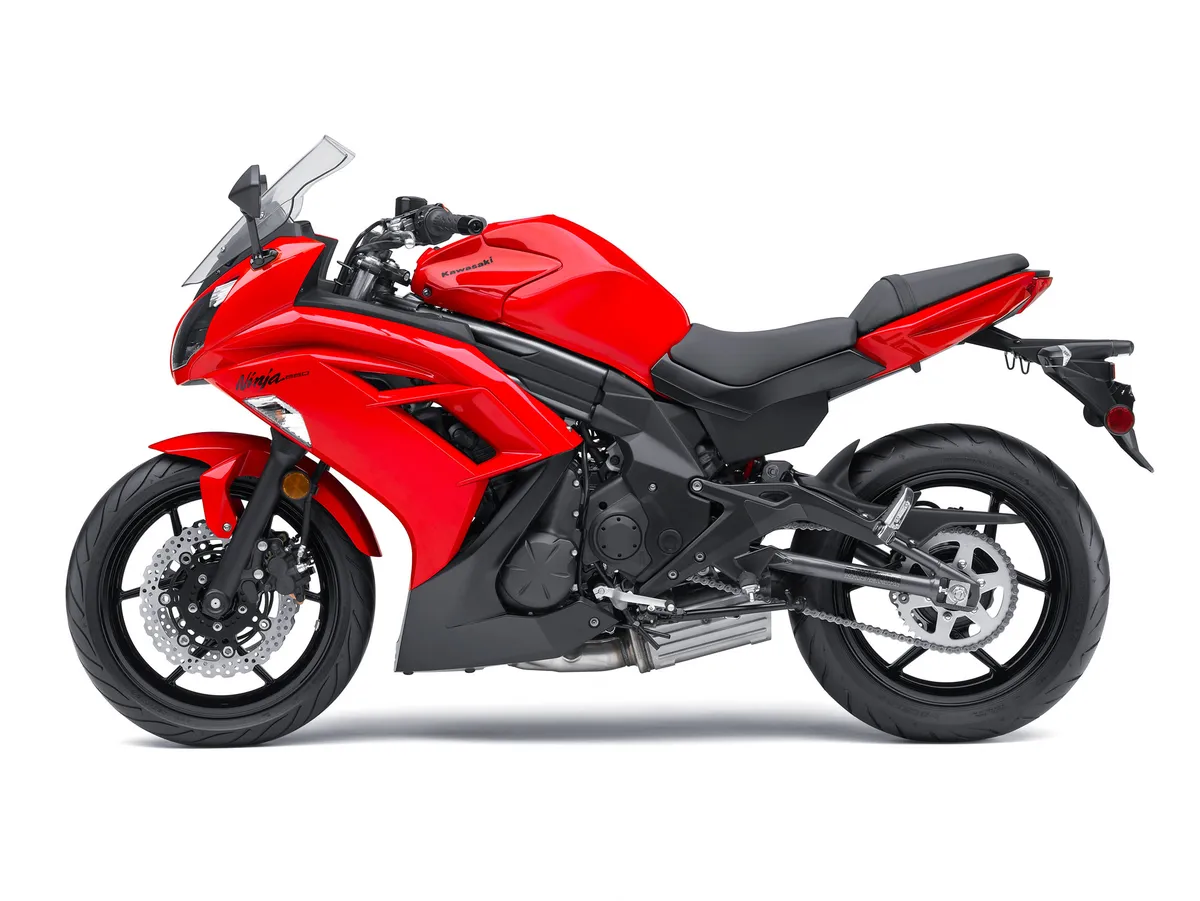
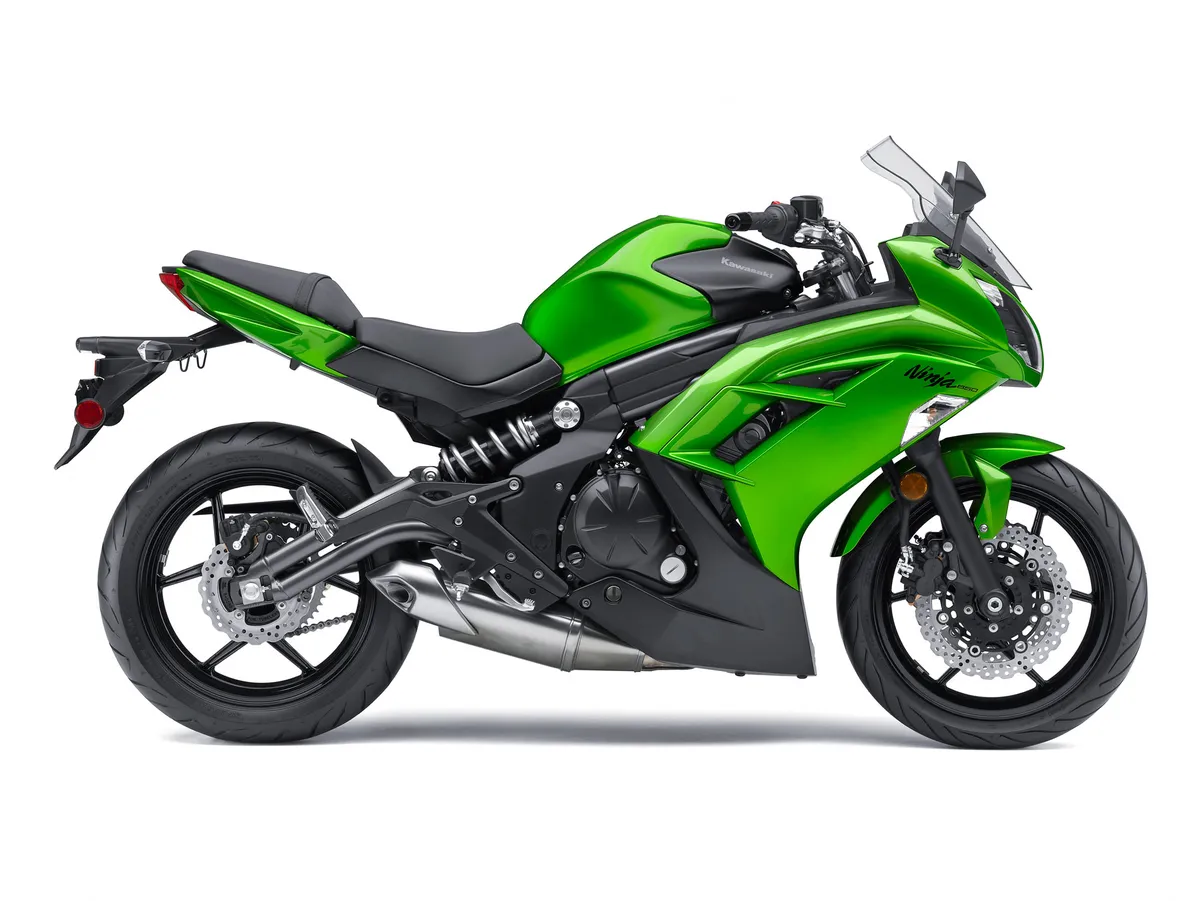
1 / 5
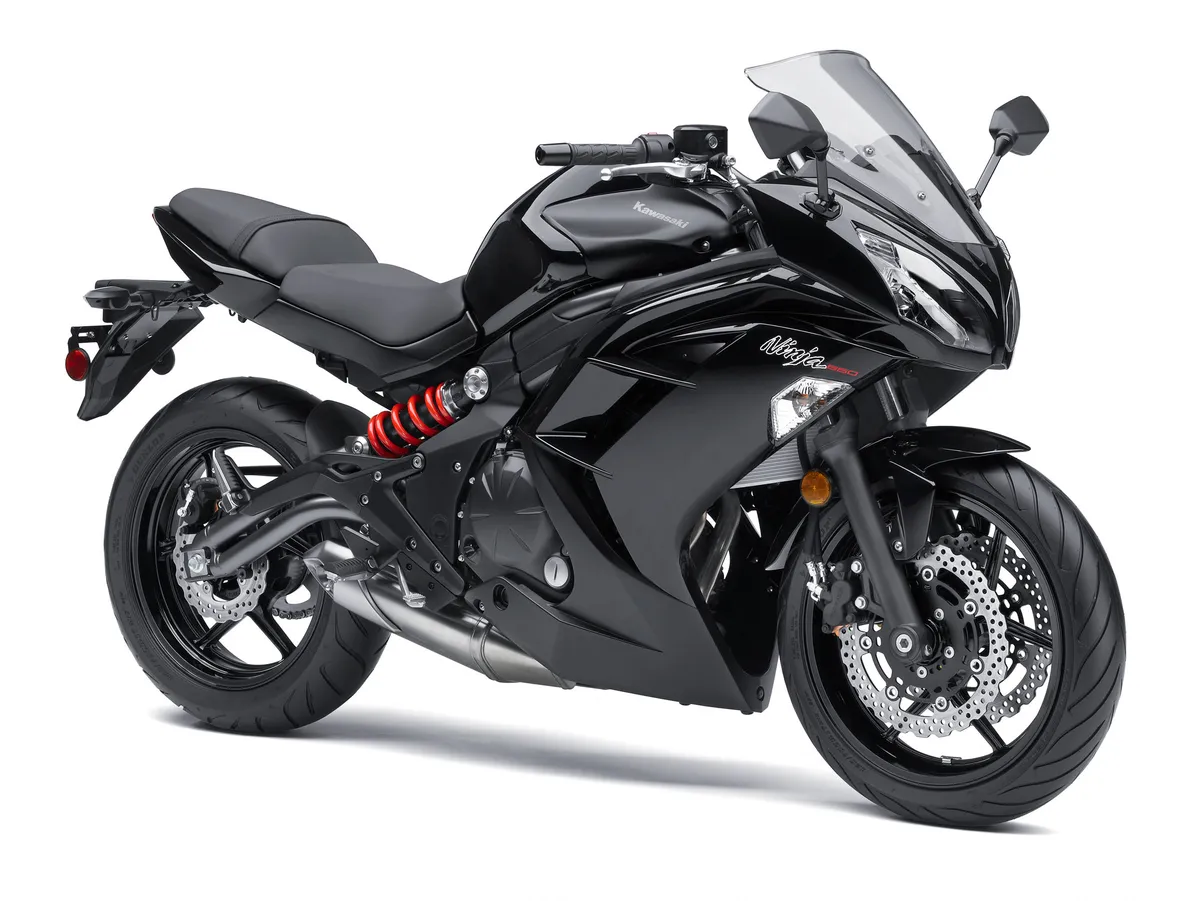
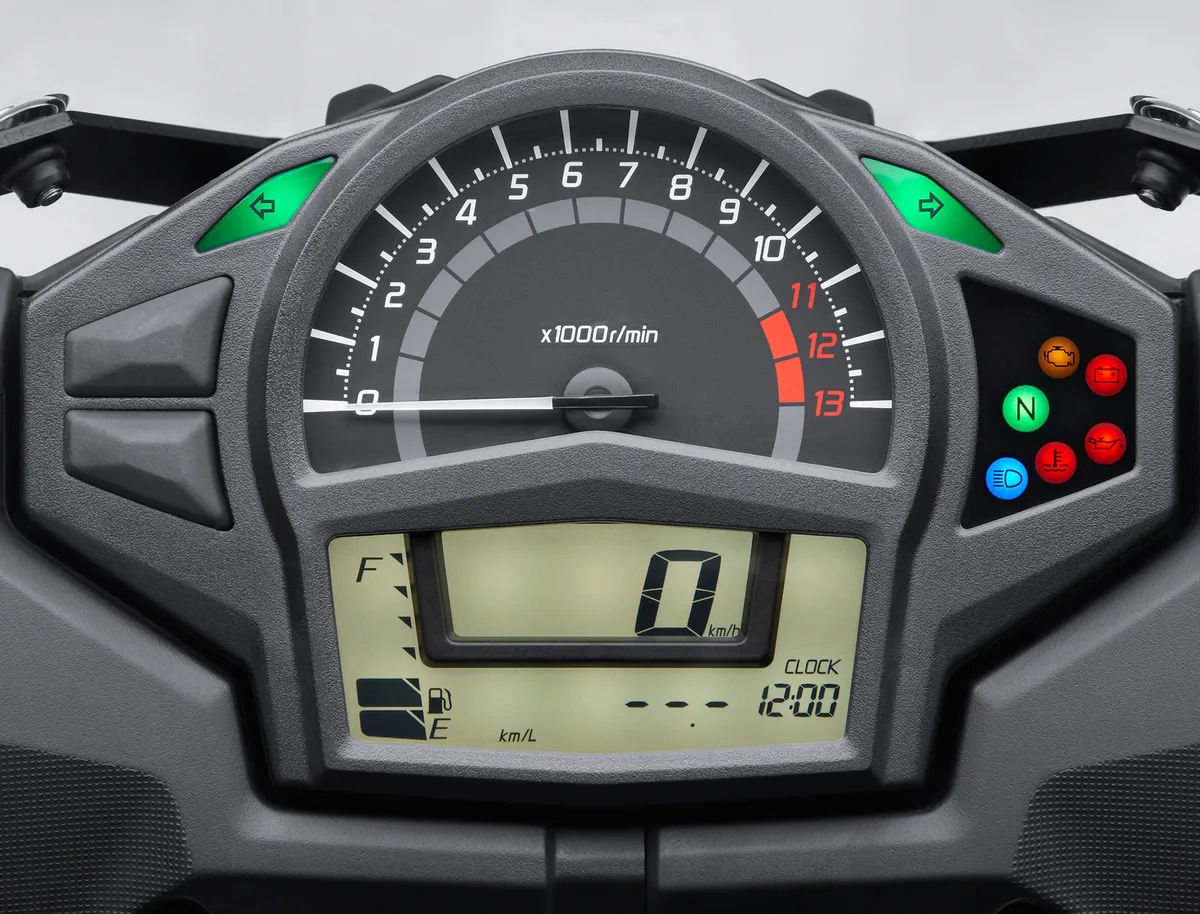
KAWASAKI Ninja 650 (2011-2012)
Selected year: 2026
Technical specifications
- Engine capacity
- 649 cm³
- Power
- 67 hp (50 kW) at 8,000 rpm
- Wet weight
- 193 kg
- Seat height
- 790 mm
Overview
The Kawasaki Ninja 650 is a sportbike in the Ninja family, produced from 2012 through 2026. For 2026, its 649.0 cm³ liquid-cooled parallel-twin makes 67 hp (50 kW) and 65.8 Nm of torque at 6700 RPM; wet weight is 193.0 kg.
The 790 mm seat height is a useful fit reference for riders who want to reach the ground easily, while the 193.0 kg wet weight is something to account for when moving the bike at low speed. Peak torque arrives at 6700 RPM, and the 15.10-liter tank gives a stated full-tank range of about 298 km. Rear spring preload is adjustable, and ABS is optional.
Specifications
Engine
Engine
- Aspiration
- Naturally aspirated
- Bore x stroke
- 83.0 x 60.0 mm
- Engine capacity
- 649 cm³
- Compression ratio
- 10.8:1
- Cooling system
- Liquid
- Engine type
- Parallel Twin, four-stroke
- Fuel system
- Injection
- Ignition
- TCBI with Electronic Advance
- Lubrication system
- Forced lubrication, semi-dry sump
- Starting
- Electric
- Valves per cylinder
- 4
Performance and transmission
Performance and transmission
- Co2 emissions
- 119 g/km CO₂
- Epa co emissions
- 1.3 CO g/km
- Epa est fuel consumption
- 5.07 L/100 km
- Power
- 67 hp (50 kW) at 8,000 rpm
- Power weight ratio
- 0.3764 HP/kg (dry)
- Torque
- 65.8 Nm at 6,700 rpm
- Clutch
- Wet multi-disc, manual
- Final drive
- Chain
- Gearbox
- Manual 6-speed
- Transmission type
- Manual
Dimensions and weight
Dimensions and weight
- Dry weight
- 178 kg
- Fuel capacity
- 15.1 L
- Fuel tank material
- Metal
- Ground clearance
- 130 mm
- Overall height
- 1,146 mm
- Overall length
- 2,055 mm
- Overall width
- 739 mm
- Seat height
- 790 mm
- Wet weight
- 193 kg
- Wheelbase
- 1,410 mm
Chassis and suspension
Chassis and suspension
- Frame
- Trellis, high-tensile steel
- Front suspension
- 41mm hydraulic telescopic fork
- Front wheel travel
- 124 mm
- Rake
- 24.0°
- Rear suspension
- Horizontal back-link with adjustable spring preload
- Rear wheel travel
- 130 mm
- Trail
- 99 mm
Brakes and wheels
Brakes and wheels
- Abs
- Optional
- Front brakes
- Dual 300mm petal-type discs and 2-piston calipers (and ABS)
- Front brakes diameter
- 300 mm
- Front tyre
- 120/70 x 17
- Rear brakes
- Single disc. Petal disc and single piston caliper. Optional ABS.
- Rear brakes diameter
- 220 mm
- Rear tyre
- 160/60 x 17
Model years
2015
Wet weight: 209 kg → 211.1 kg
2016
Power: 67 hp (50 kW) → 52 hp (39 kW); Fuel capacity: 15.9 L → 16 L
2017
Power: 52 hp (39 kW) → 68 hp (51 kW); Torque: 56 Nm → 65.7 Nm; Wet weight: 211.1 kg → 193 kg; Seat height: 805 mm → 790 mm; Fuel capacity: 16 L → 15 L
2020
Power: 68 hp (51 kW) → 67 hp (50 kW); Torque: 65.7 Nm → 56 Nm; Wet weight: 193 kg → 193.1 kg; Seat height: 790 mm → 805 mm; Fuel capacity: 15 L → 16 L
2021
Power: 67 hp (50 kW) → 52 hp (39 kW); Wet weight: 193.1 kg → 192.1 kg; Seat height: 805 mm → 790 mm; Fuel capacity: 16 L → 15.1 L
2023
Wet weight: 192.1 kg → 193 kg
2025
Power: 52 hp (39 kW) → 67 hp (50 kW); Torque: 56 Nm → 65.8 Nm
| Specification | ||||||
|---|---|---|---|---|---|---|
| Engine capacity | 649 cm³ | 649 cm³ | 649 cm³ | 649 cm³ | 649 cm³ | 649 cm³ |
| Power | 52 hp (39 kW) | 52 hp (39 kW) | 52 hp (39 kW) | 52 hp (39 kW) | 67 hp (50 kW) | 67 hp (50 kW) |
| Torque | 56 Nm | 56 Nm | 56 Nm | 56 Nm | 65.8 Nm | 65.8 Nm |
| Wet weight | 192.1 kg | 192.1 kg | 193 kg | 193 kg | 193 kg | 193 kg |
| Seat height | 790 mm | 790 mm | 790 mm | 790 mm | 790 mm | 790 mm |
| Fuel capacity | 15.1 L | 15.1 L | 15.1 L | 15.1 L | 15.1 L | 15.1 L |
Pros and cons
Advantages
Manageable seat height
The 790 mm seat height can make it easier to put a foot down at stops.
Adjustable rear preload
The rear spring preload can be set to suit the rider and load.
Modest fuel use
The EPA estimate of 5.07 L/100 km (46.4 US mpg) is useful for riders keeping an eye on fuel consumption.
Things to consider
Chain final drive
The chain needs periodic cleaning, lubrication, and adjustment.
ABS is optional
ABS is not standard, so buyers who want it need to select the option.
About 298 km per tank
The stated full-tank range means longer rides need fuel stops planned around that distance.
Rider fit
Rider fit calculator
Calculated in your browser
Don't know it? Leave this empty and we'll estimate it from your height.
Estimated from your height: 79 cm
How to measure
Stand barefoot with your back to a wall. Hold a book firmly between your legs, then measure from the floor to the top edge of the book.
Estimated ground reach
Both feet likely flat
You should have a stable stance at a stop, although seat width and suspension setup still matter.
Seat height
790 mm
Approx. loaded height
760 mm
Estimate assumes about 30 mm of suspension sag. Seat width, footwear, luggage and suspension settings can change real reach. Always sit on the motorcycle before buying.
Fuel range calculator
Enter your expected fuel consumption to estimate the distance on a full tank, with or without a fuel reserve.
Tank 15.1 L at 5.5 L/100 km
Lower consumption = longer range.
Estimated range
275 km
With 10% reserve
247 km
This is a planning estimate, not a measured result. Speed, route, weather, load and riding style can change real consumption.
FAQ
How much power does the 2026 Kawasaki Ninja 650 make?
It makes 67 hp (50 kW).
What is the seat height of the 2026 Kawasaki Ninja 650?
The seat height is 790 mm.
What is the fuel range of the 2026 Kawasaki Ninja 650?
Its stated full-tank range is about 298 km from a 15.10-liter tank.
Does the 2026 Kawasaki Ninja 650 have ABS?
ABS is optional.