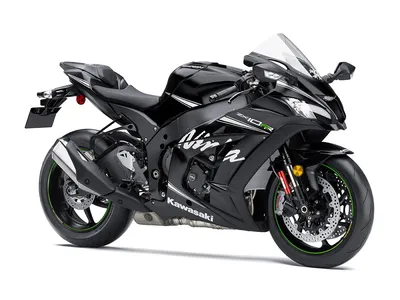
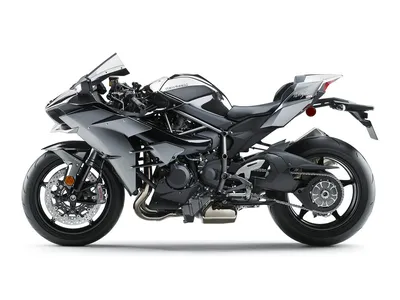
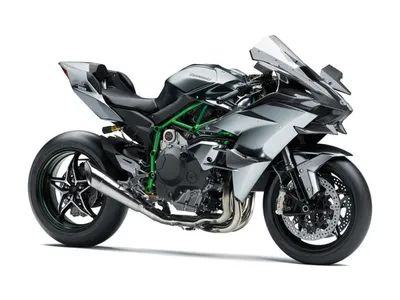
Kawasaki Ninja H2 CARBON
- Production years
- 2017–2026
- Brand
- Kawasaki
Choose model year
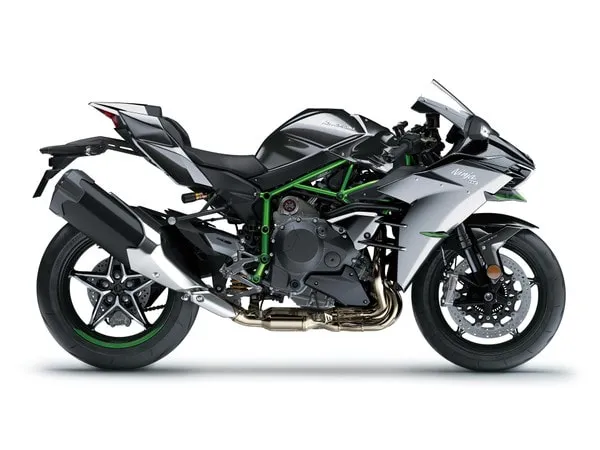
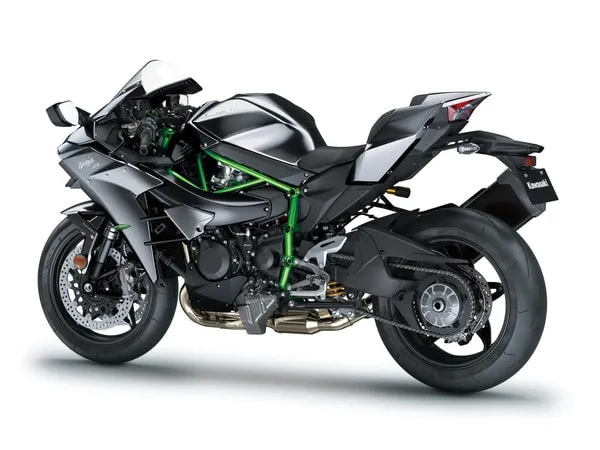
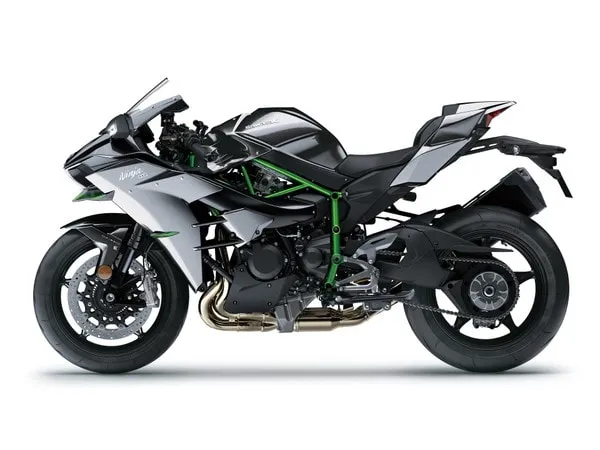
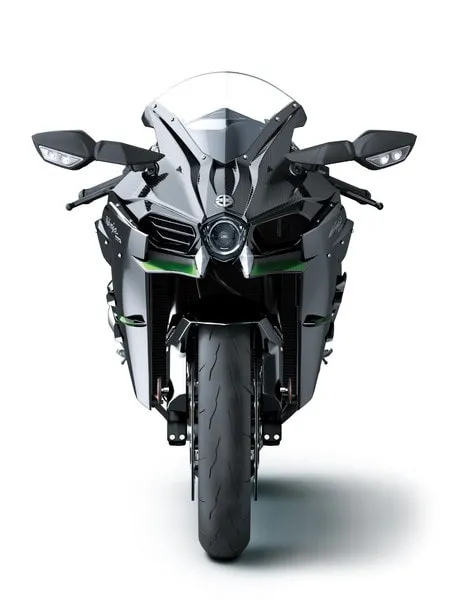
1 / 10
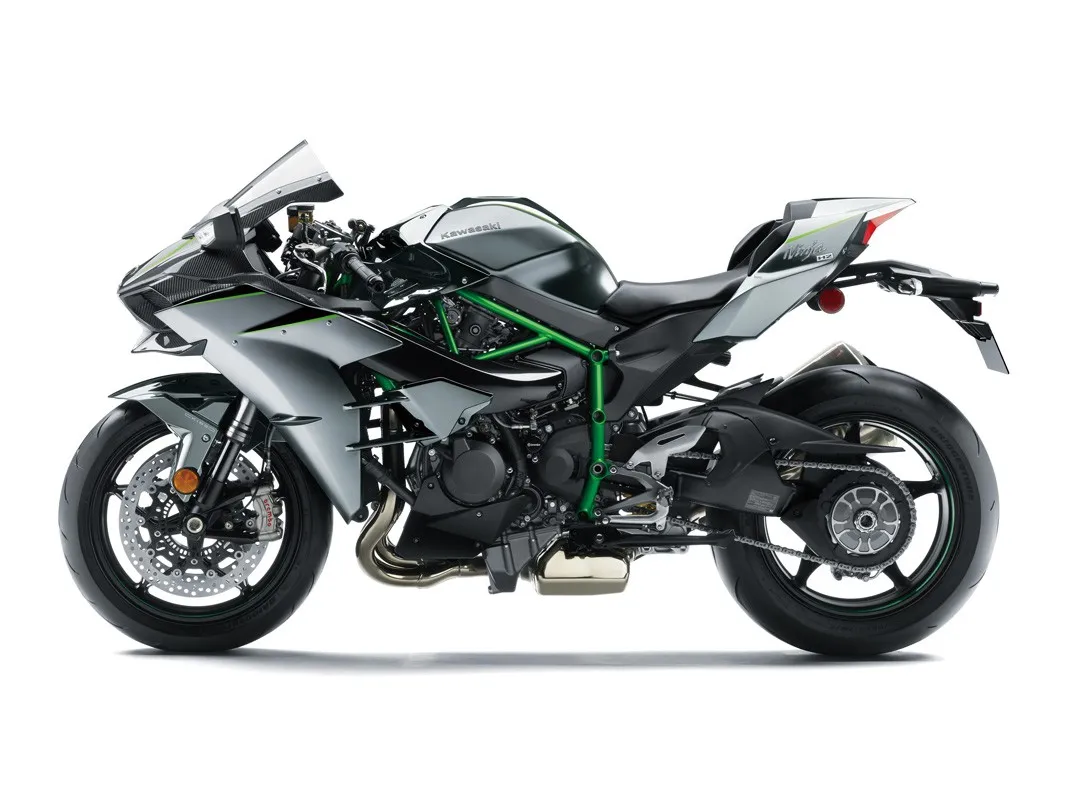
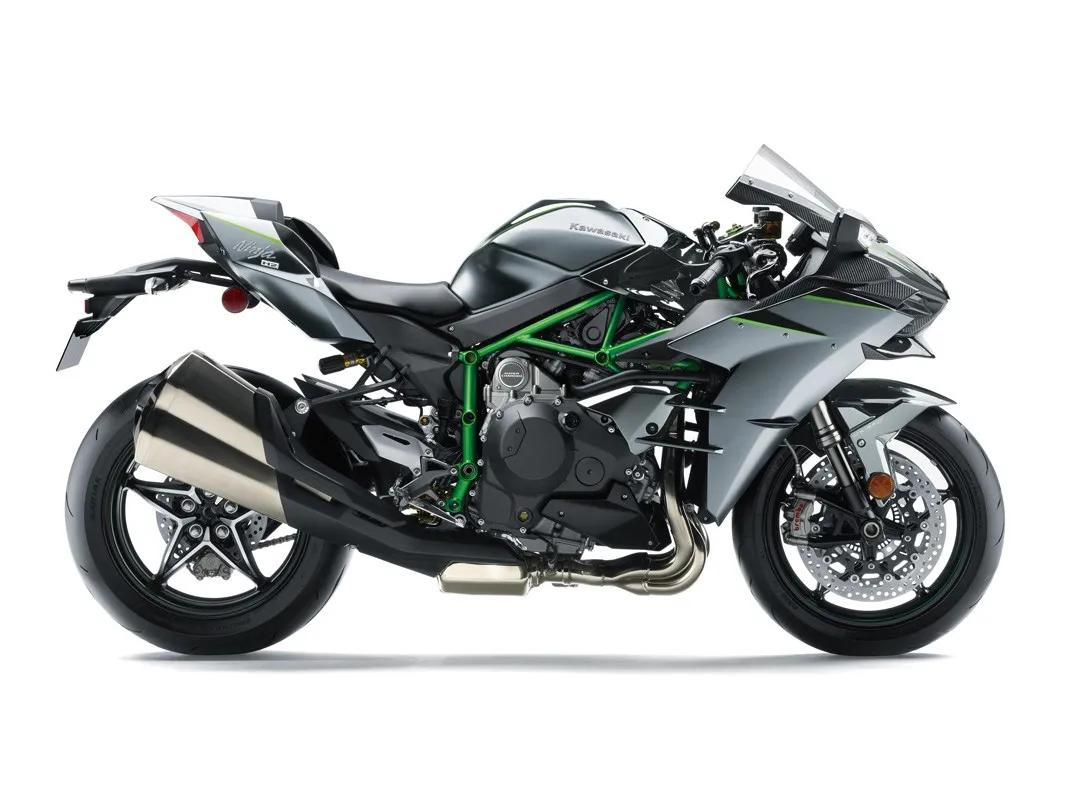
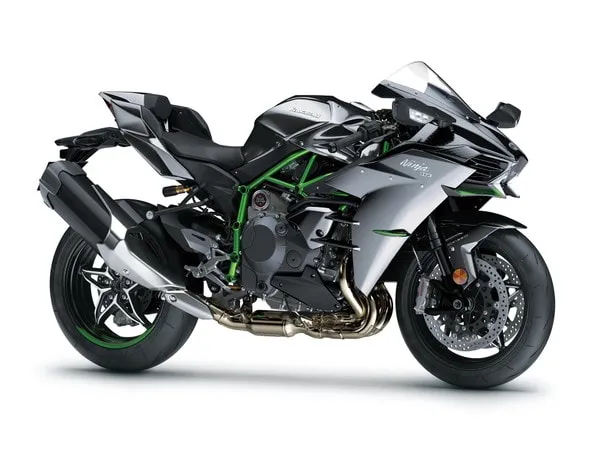
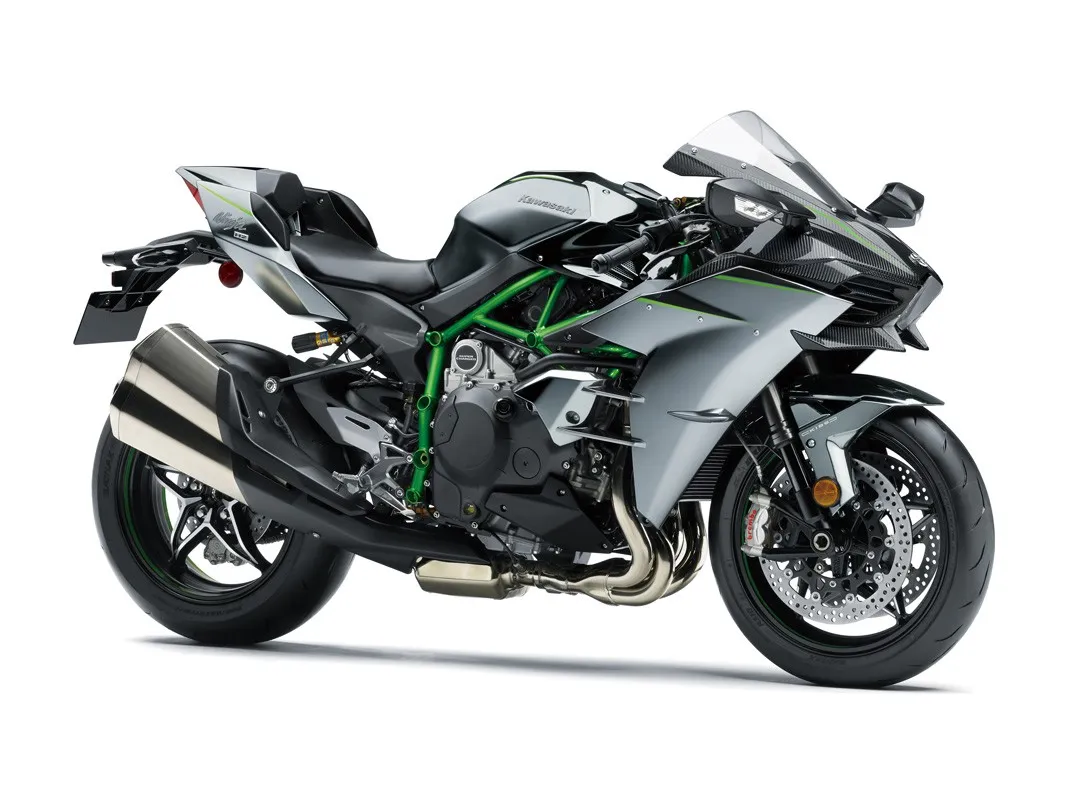
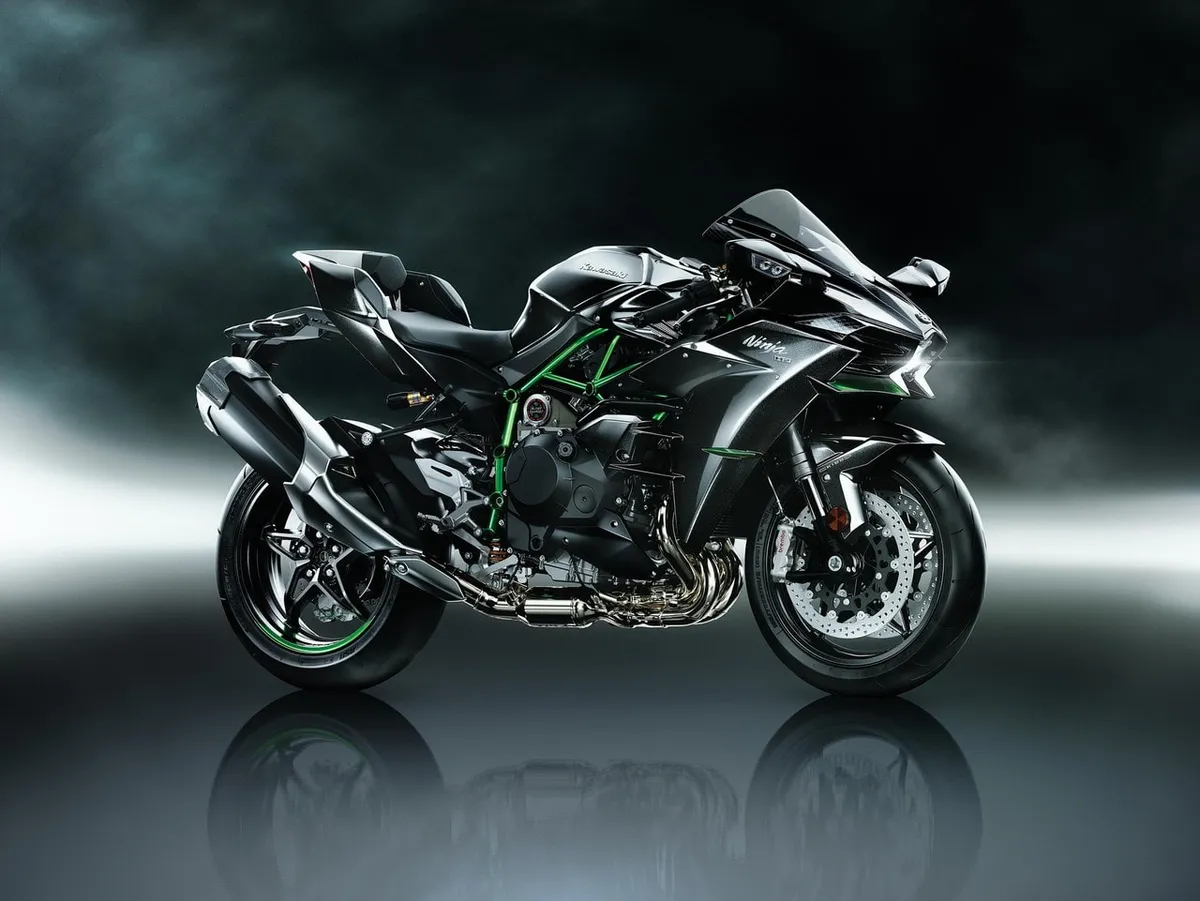
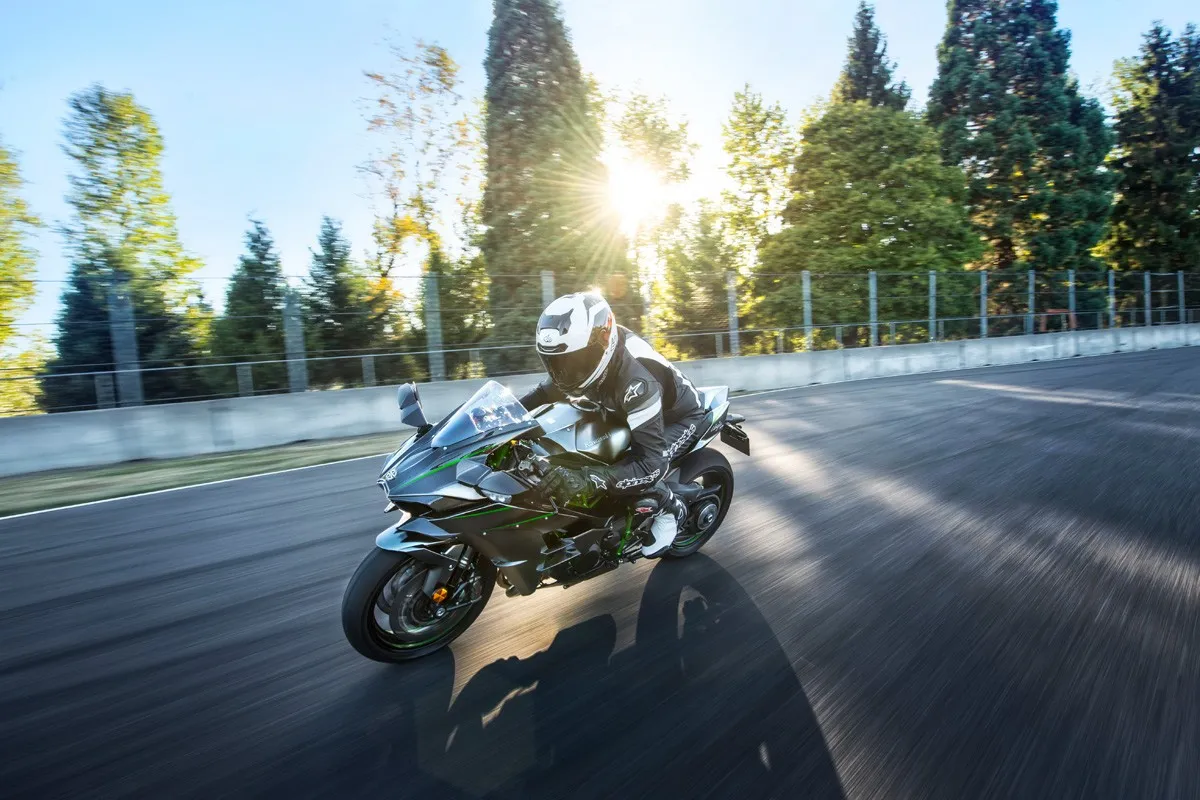
KAWASAKI NINJA H2 CARBON (2018-Present)
Selected year: 2026
Technical specifications
- Engine capacity
- 998 cm³
- Power
- 240 hp (179 kW) at 11,500 rpm
- Wet weight
- 238 kg
- Seat height
- 826 mm
Overview
The 2026 Kawasaki Ninja H2 CARBON is a sportbike in the Ninja family, produced from 2017 through 2026. Its liquid-cooled, four-stroke inline-four displaces 998.0 cm³ and produces 240 hp (179 kW); peak torque is 142.2 Nm at 11,000 rpm. Wet weight is 238.0 kg.
The 826 mm seat height puts the rider relatively high above the ground. Fuel consumption is 8.50 liters/100 km, with a calculated range of about 200 km from the 17.00-liter tank. Adjustable rebound and compression damping and spring preload at both ends let the suspension be tailored to the rider and road.
Specifications
Engine
Engine
- Bore x stroke
- 76.0 x 55.0 mm
- Engine capacity
- 998 cm³
- Compression ratio
- 8.5:1
- Cooling system
- Liquid
- Engine type
- In-line four, four-stroke
- Fuel system
- Injection
- Ignition
- Digital
- Lubrication system
- Forced lubrication, wet sump with oil cooler
- Starting
- Electric
- Valves per cylinder
- 4
Performance and transmission
Performance and transmission
- 0 60 mph
- 2.60 seconds
- Fuel consumption
- 8.5 L/100 km
- Power
- 240 hp (179 kW) at 11,500 rpm
- Power weight ratio
- 1.1009 HP/kg (dry)
- Torque
- 142.2 Nm at 11,000 rpm
- Clutch
- Wet multi-disc, manual
- Final drive
- Chain
- Gearbox
- Manual 6-speed
- Transmission type
- Manual
Dimensions and weight
Dimensions and weight
- Dry weight
- 218 kg
- Fuel capacity
- 17 L
- Ground clearance
- 130 mm
- Overall height
- 1,125 mm
- Overall length
- 2,085 mm
- Overall width
- 770 mm
- Seat height
- 826 mm
- Wet weight
- 238 kg
- Wheelbase
- 1,455 mm
Chassis and suspension
Chassis and suspension
- Frame
- Trellis, high-tensile steel with swingarm mounting plate
- Front suspension
- 43 mm inverted fork with rebound and compression damping, spring preload adjustability and top-out springs
- Front wheel travel
- 119 mm
- Rake
- 24.5°
- Rear suspension
- Uni-Trak, Öhlins TTX36 gas-charged shock with piggyback reservoir, compression damping, rebound damping, preload adjustability and top-out spring
- Rear wheel travel
- 135 mm
- Trail
- 104 mm
Brakes and wheels
Brakes and wheels
- Abs
- Optional
- Front brakes
- Double disc. Dual radial-mount, opposed 4-piston Brembo Stylema® calipers, dual semi-floating disc. ABS.
- Front brakes diameter
- 330 mm
- Front tyre
- 120/70-17
- Rear brakes
- Single disc. Opposed 2-piston calipers, single disc. ABS.
- Rear brakes diameter
- 250 mm
- Rear tyre
- 200/55-17
Colours and equipment
Colours and equipment
- Colours
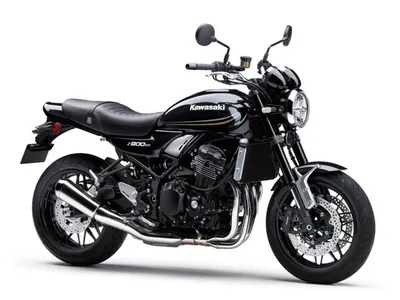
- Mirror Coated Matte Spark Black/Candy Flat Blazed Green
Model years
2018
Wet weight: 238 kg → 238.1 kg
2019
Power: 200 hp (149 kW) → 228 hp (170 kW); Torque: 133.5 Nm → 141.7 Nm
2020
Wet weight: 238.1 kg → 237.7 kg
2021
Torque: 141.7 Nm → 142.2 Nm
2025
Power: 228 hp (170 kW) → 240 hp (179 kW); Wet weight: 237.7 kg → 238 kg; Seat height: 825 mm → 826 mm
| Specification | ||||||
|---|---|---|---|---|---|---|
| Engine capacity | 998 cm³ | 998 cm³ | 998 cm³ | 998 cm³ | 998 cm³ | 998 cm³ |
| Power | 228 hp (170 kW) | 228 hp (170 kW) | 228 hp (170 kW) | 228 hp (170 kW) | 240 hp (179 kW) | 240 hp (179 kW) |
| Torque | 142.2 Nm | 142.2 Nm | 142.2 Nm | 142.2 Nm | 142.2 Nm | 142.2 Nm |
| Wet weight | 237.7 kg | 237.7 kg | 237.7 kg | 237.7 kg | 238 kg | 238 kg |
| Seat height | 825 mm | 825 mm | 825 mm | 825 mm | 826 mm | 826 mm |
| Fuel capacity | 17 L | 17 L | 17 L | 17 L | 17 L | 17 L |
Pros and cons
Advantages
Rapid acceleration
A 0–60 mph time of 2.60 seconds points to exceptionally forceful acceleration.
Adjustable suspension
Both the inverted front fork and Öhlins TTX36 rear shock offer adjustable damping and spring preload.
Strong front brakes
Dual 330 mm discs and radial-mount Brembo Stylema calipers provide substantial front braking hardware, with ABS available as an option.
Things to consider
Substantial wet weight
At 238.0 kg wet, it takes effort to manage the motorcycle during parking and other low-speed maneuvers.
Frequent fuel stops
Consumption of 8.50 liters/100 km and a calculated range of about 200 km limit the distance between fuel stops.
Chain maintenance
The chain final drive needs regular cleaning and adjustment.
Rider fit
Rider fit calculator
Calculated in your browser
Don't know it? Leave this empty and we'll estimate it from your height.
Estimated from your height: 79 cm
How to measure
Stand barefoot with your back to a wall. Hold a book firmly between your legs, then measure from the floor to the top edge of the book.
Estimated ground reach
Balls of both feet likely down
You should reach on both sides, but probably not with your heels fully down.
Seat height
826 mm
Approx. loaded height
796 mm
Estimate assumes about 30 mm of suspension sag. Seat width, footwear, luggage and suspension settings can change real reach. Always sit on the motorcycle before buying.
Fuel range calculator
Enter your expected fuel consumption to estimate the distance on a full tank, with or without a fuel reserve.
Tank 17 L at 8.5 L/100 km
Lower consumption = longer range.
Estimated range
200 km
With 10% reserve
180 km
This is a planning estimate, not a measured result. Speed, route, weather, load and riding style can change real consumption.
FAQ
How much power does the 2026 Kawasaki Ninja H2 CARBON make?
It produces 240 hp (179 kW) from its 998.0 cm³ inline-four.
How much torque does the Ninja H2 CARBON produce?
Peak torque is 142.2 Nm at 11,000 rpm.
What is the seat height?
The seat is 826 mm high.
What is the calculated range on a full tank?
The calculated range is about 200 km from the 17.00-liter tank.