Motorcycles for short riders: finding a bike that fits you
Contents
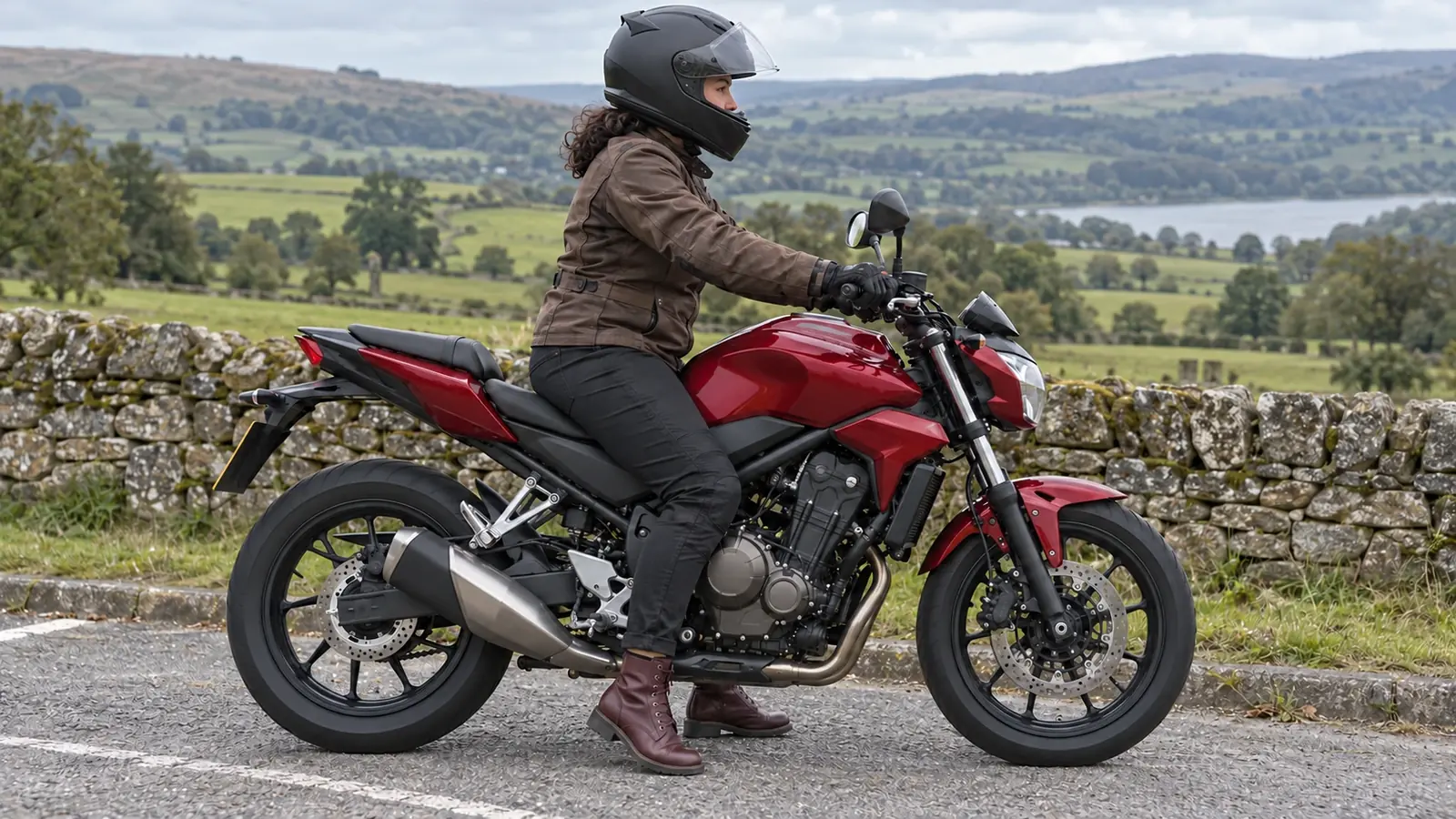
You may have done this already: sat on a bike you liked, felt for the ground and found only the toe of one boot. The published seat height doesn't settle the question by itself. The bike's weight, the width of the seat under your thighs and how far the suspension sinks when you sit all change where your feet land.
This guide covers what decides comfort when you stop, how to measure your own inside leg, and a shortlist of 16 models sorted by the kind of riding you have in mind. After that come the controls you need to reach and a short checklist to take to the dealer.
Quick picks from the shortlist
- Lowest seat on the page: the Yamaha V Star 250, a cruiser at 686 mm (27.0 in) and 147 kg.
- Lightest to hold up: the Yamaha TW200, a dual-sport at 126.1 kg with a 790 mm (31.1 in) seat.
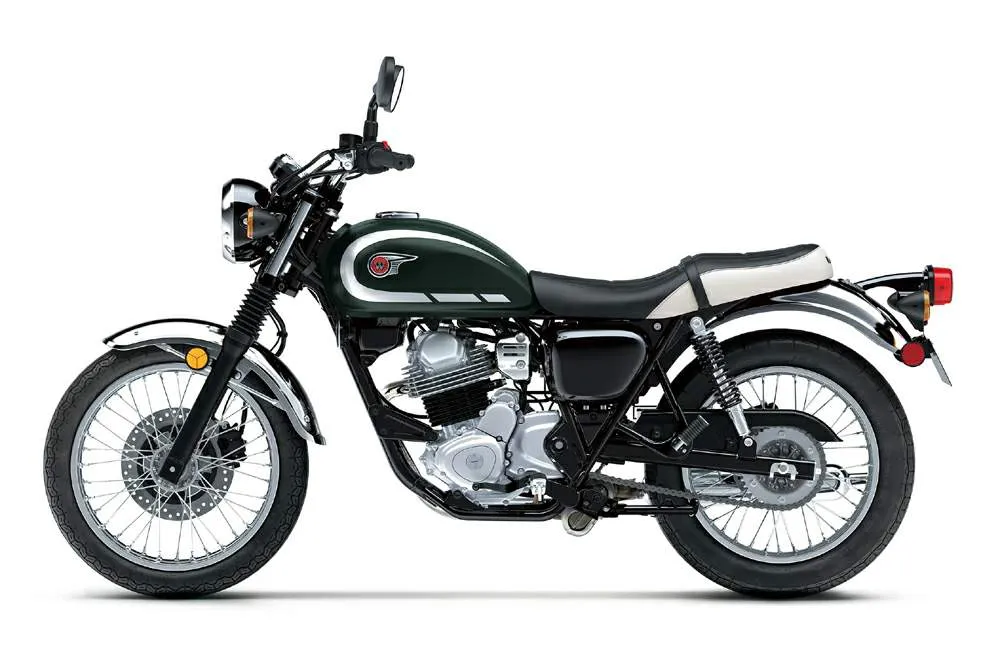
- Low naked bike: the Kawasaki W230 at 745 mm (29.3 in) and 143 kg.
- Indicative A1 sport bike: the Suzuki GSX-R125 at 785 mm (30.9 in) and 137 kg, the lightest of the sport group.
What decides comfort for a shorter rider
Once you've stopped, weight counts alongside height. A lighter bike generally takes less effort to balance and manoeuvre at a standstill, including when pushing backwards out of a parking bay or up a sloping drive. Read the seat height and the weight together.
Two seats with the same published height can feel quite different. A wide, flat seat spreads your thighs, so your legs travel outwards before they go down, and you lose reach. A seat that narrows towards the tank lets your legs drop closer to vertical. Manufacturers rarely publish seat width, so no table can rank it for you.
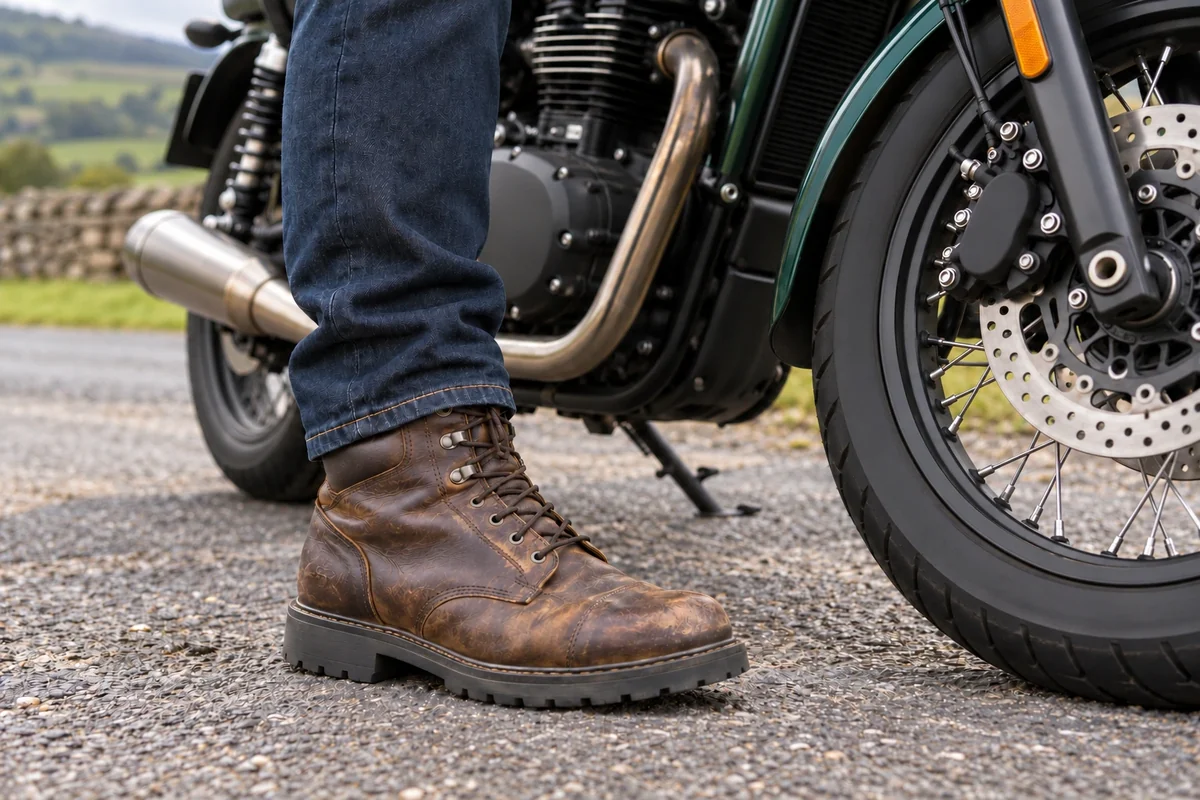
A riding boot with a firm, thicker sole gives you reach that a trainer doesn't, and a soft, thin sole adds very little. Check that you can still feel the gear lever and the brake pedal properly. A chunky sole that leaves you guessing at the foot controls is a poor trade.
Seat height is measured unladen, from the ground to the seat with nobody aboard. When you sit, the suspension compresses and the seat drops: that's sag. Our calculator assumes about 30 mm, but the real figure depends on the bike, how the suspension is set up and your own weight.
How to judge your own reach
To measure your inseam, stand in socks with your back and heels against a wall and your feet about 20 cm apart. Slide a hardback book up between your legs with the spine on top and press it up firmly, as a saddle would, keeping it level. Mark the wall at the top of the spine, step away and measure from the floor to the mark in millimetres. Do it twice and take the average if the readings differ.
The seat height calculator puts your inseam alongside a bike's published seat height and an assumed sag to show roughly where your feet will land. That's an estimate: sitting on the bike in your own boots is what decides. Settle in advance how much reach you want, too. The toes of both feet may be fine on flat tarmac, but a cambered road or a gravel car park asks for more.
Low-seat motorcycles for short riders: 16 models by riding situation
The tables below group 16 models from the Moto Wiki catalogue by riding situation, with seat height, weight and power as published and an indicative A1 or A2 licence column that you should check against the bike's papers. Where a row says 'Not verified', our data don't allow a safe classification, so ask the dealer and check the registration documents.
Cruisers: the lowest seats on the page
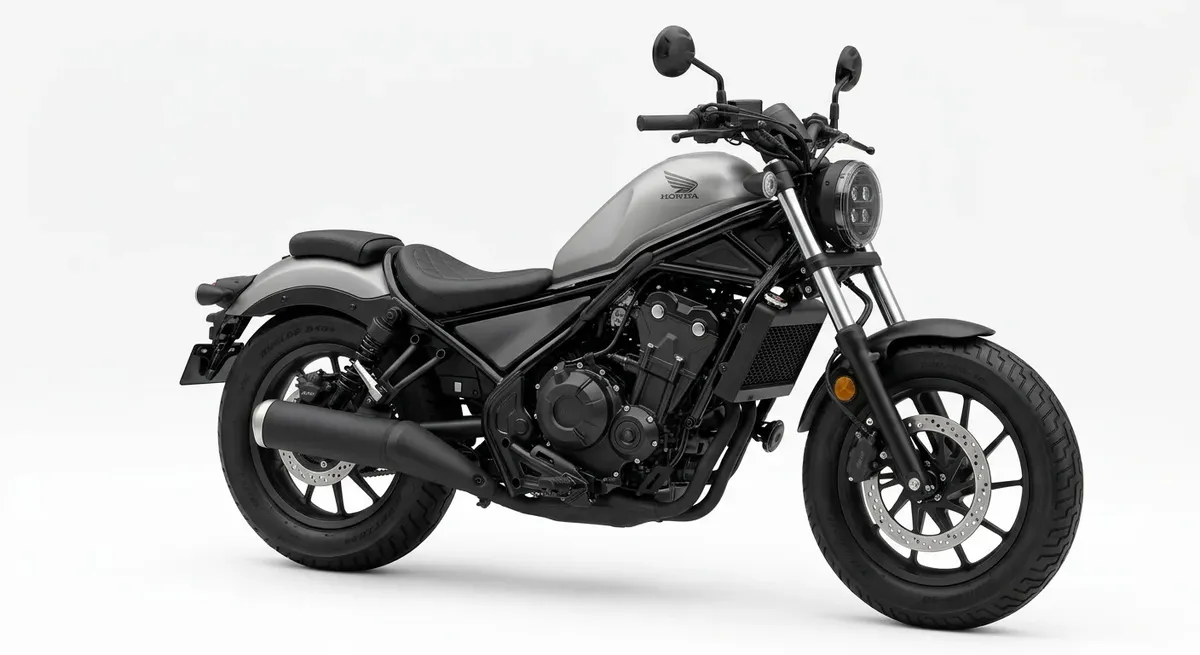
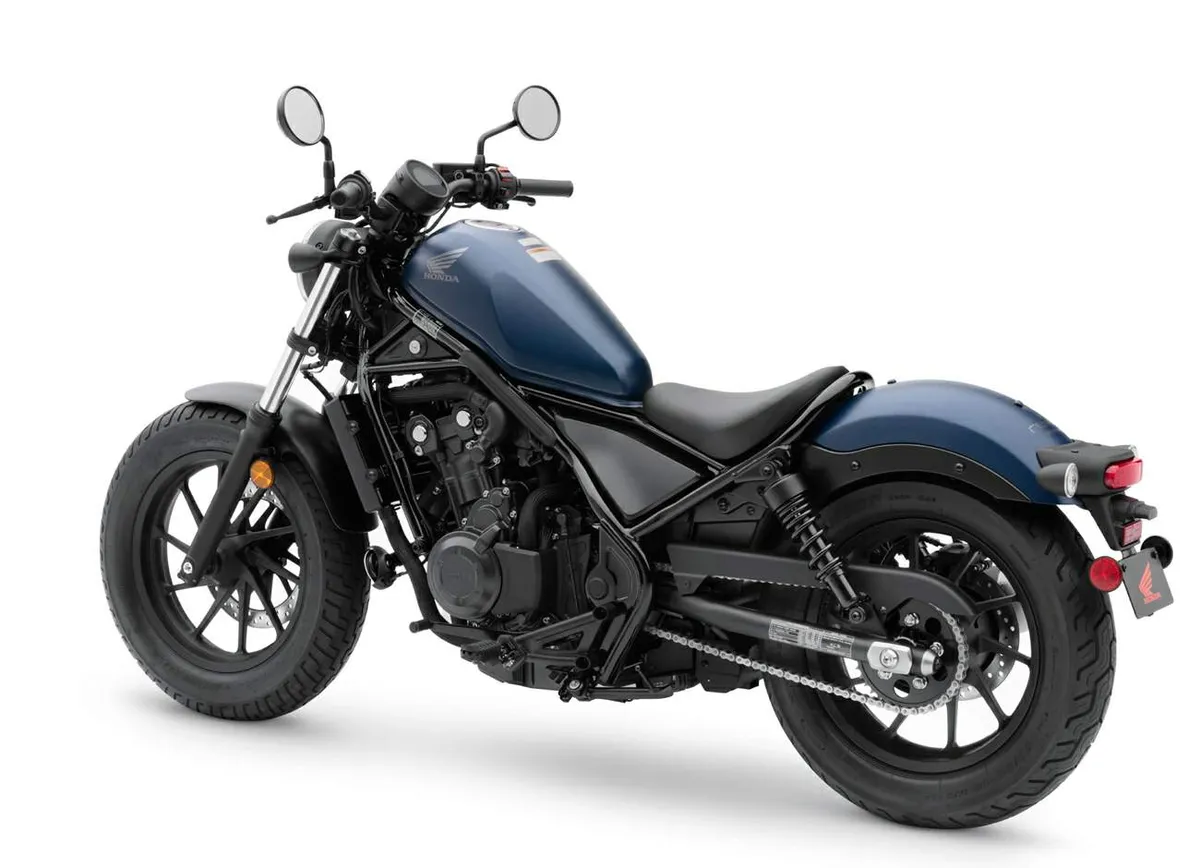
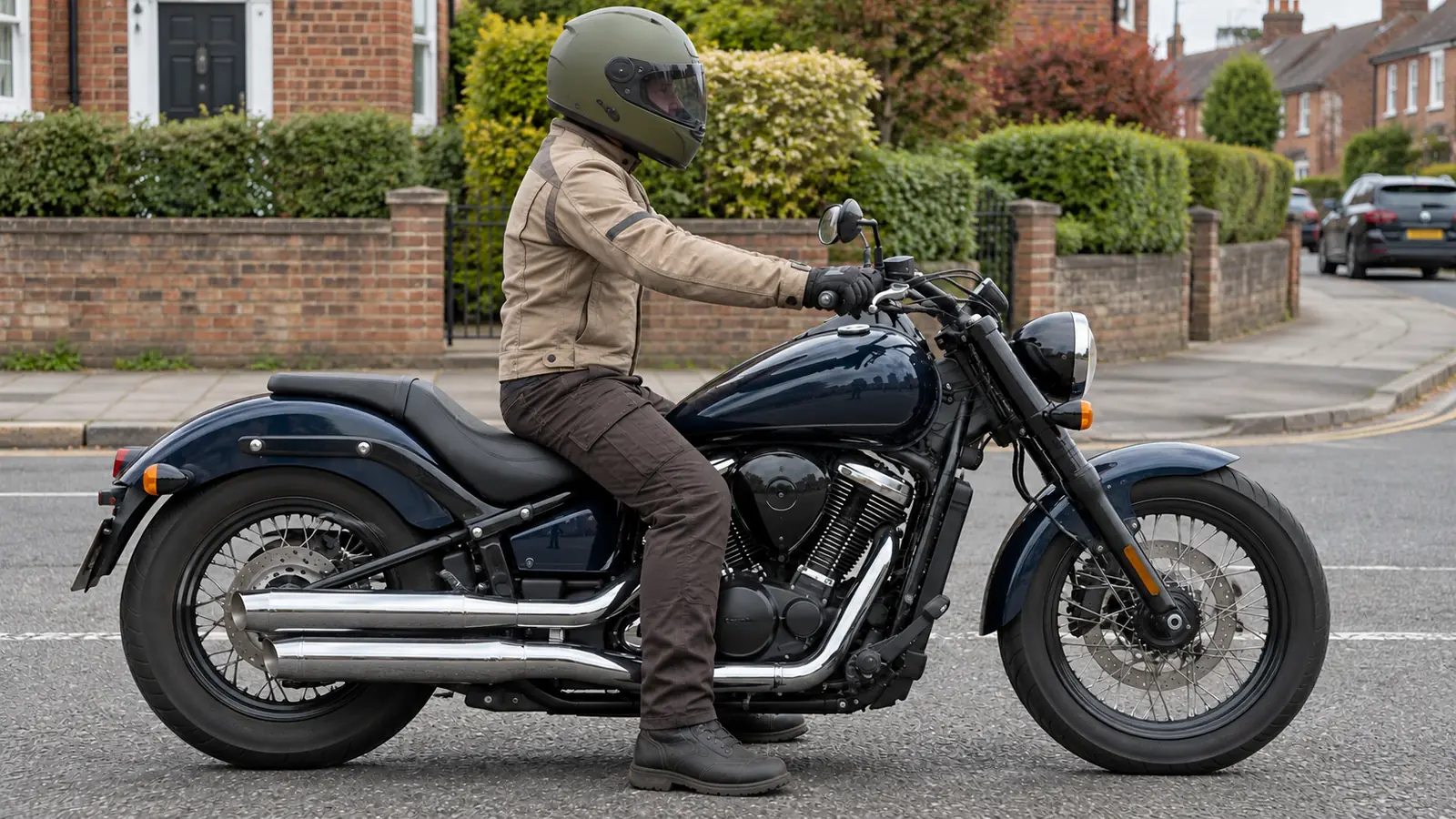
Cruisers put you lowest, with the seat dropped into the frame between the wheels. The Yamaha V Star 250 has the lowest seat in this shortlist at 686 mm and weighs 147 kg. The Honda Rebel 500 sits almost level with it at 690 mm but carries 191 kg, and you feel the difference when you back it out of a space on a slight slope. On many cruisers the footpegs sit further forward, so check you can reach them comfortably as well as the ground. The Kawasaki Eliminator 500 is the tallest cruiser here at 735 mm, still lower than anything in the naked or sport groups.
| Model | Seat height | Power | Published weight | Indicative licence category |
|---|---|---|---|---|
| Yamaha V Star 250 | 686 mm | 21 hp (16 kW) | 147 kg | A2 |
| Honda Rebel 300 | 691 mm | not listed | 165.1 kg | Not verified |
| Honda Rebel 500 | 690 mm | 46 hp (34 kW) | 191 kg | A2 |
| Kawasaki Eliminator 500 | 735 mm | 44 hp (33 kW) | 176 kg | A2 |
Naked bikes for short riders
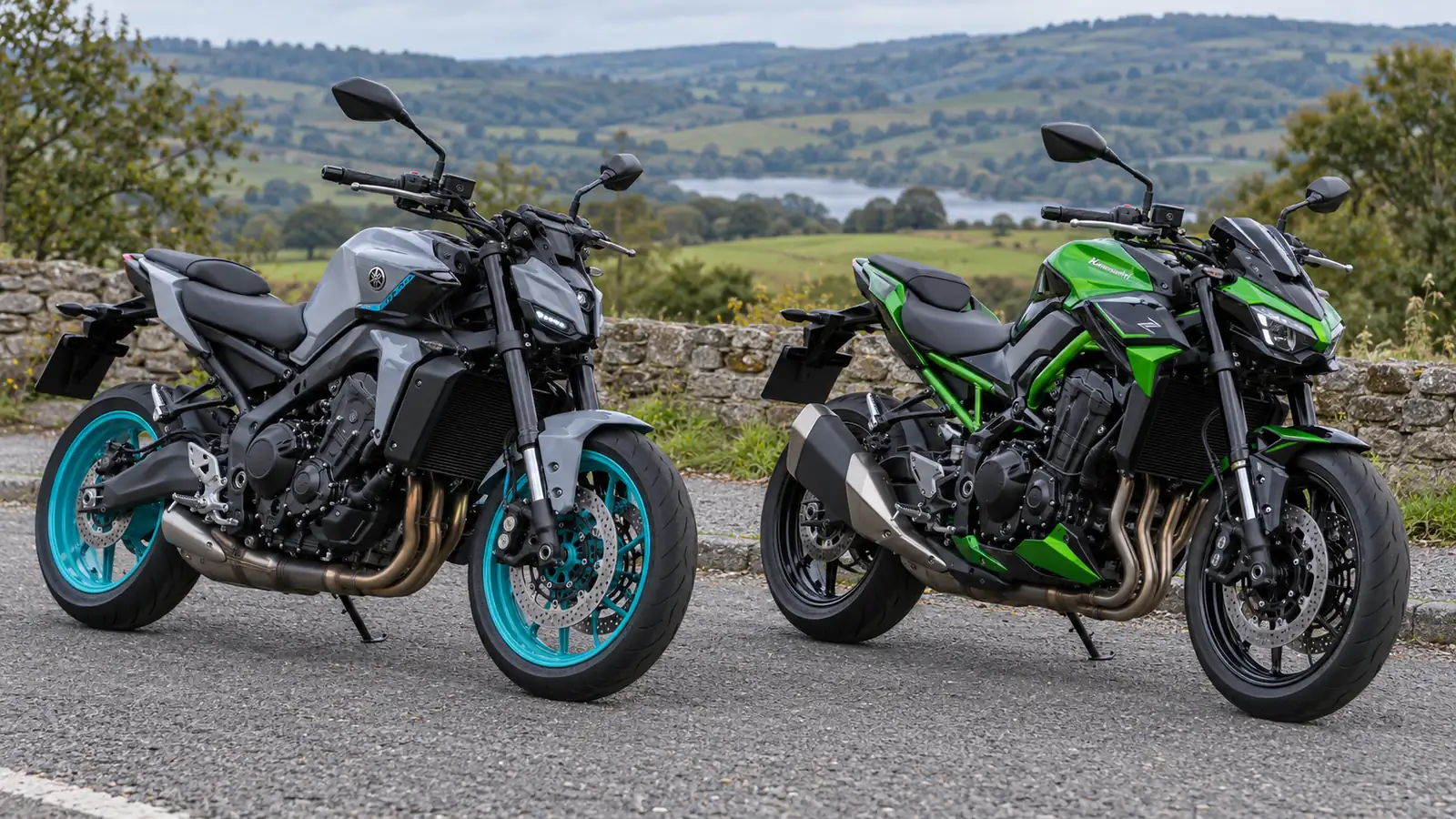
Most naked bikes sit you upright, with your weight on the seat rather than your wrists, which leaves your arms free to steady the bike when you stop. The Kawasaki W230 is the lowest in this group at 745 mm and also the lightest at 143 kg. The Yamaha MT-03 comes in at 780 mm and 169.2 kg, and the Triumph Speed 400 at 790 mm. The width of the seat where it meets the tank can matter as much as the published height, and manufacturers rarely publish it. The remaining models are listed below.
| Model | Seat height | Power | Published weight | Indicative licence category |
|---|---|---|---|---|
| Kawasaki W230 | 745 mm | 18 hp (13 kW) | 143 kg | A2 |
| Yamaha MT-03 | 780 mm | 42 hp (31 kW) | 169.2 kg | A2 |
| BMW G 310 R | 785 mm | 34 hp (25 kW) | 164 kg | A2 |
| Triumph Speed 400 | 790 mm | 39 hp (29 kW) | 170 kg | A2 |
Sport bikes for short riders
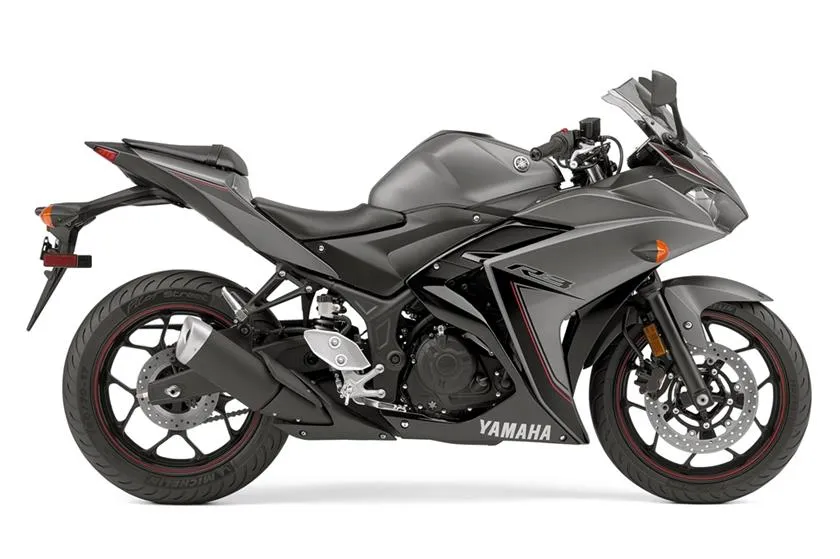
If you want a sport bike, the small-capacity end of the class is where the seats come down, and the seat usually narrows where it meets the tank, which lets your legs drop straighter. The Yamaha YZF-R3 and the Yamaha R25 share the lowest seat in this group at 780 mm. The Suzuki GSX-R125 sits a touch higher at 785 mm but is the lightest here at 137 kg, and its indicative category is A1. The catch is the riding position: lower bars put more weight on your wrists and ask more of your arms, so check your reach forward as carefully as your reach down.
| Model | Seat height | Power | Published weight | Indicative licence category |
|---|---|---|---|---|
| Yamaha YZF-R3 | 780 mm | 42 hp (31 kW) | 169.2 kg | A2 |
| Yamaha R25 | 780 mm | 35 hp (26 kW) | 166 kg | A2 |
| Kawasaki Ninja 300 | 785 mm | 39 hp (29 kW) | 176 kg | A2 |
| Suzuki GSX-R125 | 785 mm | 15 hp (11 kW) | 137 kg | A1 |
Scooters: room for your feet
On a scooter there's no fuel tank between your knees, so at a stop you can often put your feet down further forward. How much that helps depends on the floor: some are flat, others have a raised central tunnel your legs have to clear. The Yamaha NMAX 125 has a 765 mm seat and weighs 131 kg, with an indicative A1 category. The Honda Forza 350 sits at 780 mm with 186 kg to manage, which you notice when you wheel it backwards off a kerb. Wide footboards can also push your feet outwards, so try putting a foot down beside the board as well as in front of it.
| Model | Seat height | Power | Published weight | Indicative licence category |
|---|---|---|---|---|
| Yamaha NMAX 125 | 765 mm | 12 hp (9 kW) | 131 kg | A1 |
| Honda Forza 350 | 780 mm | 29 hp (22 kW) | 186 kg | A2 |
Adventure and dual-sport
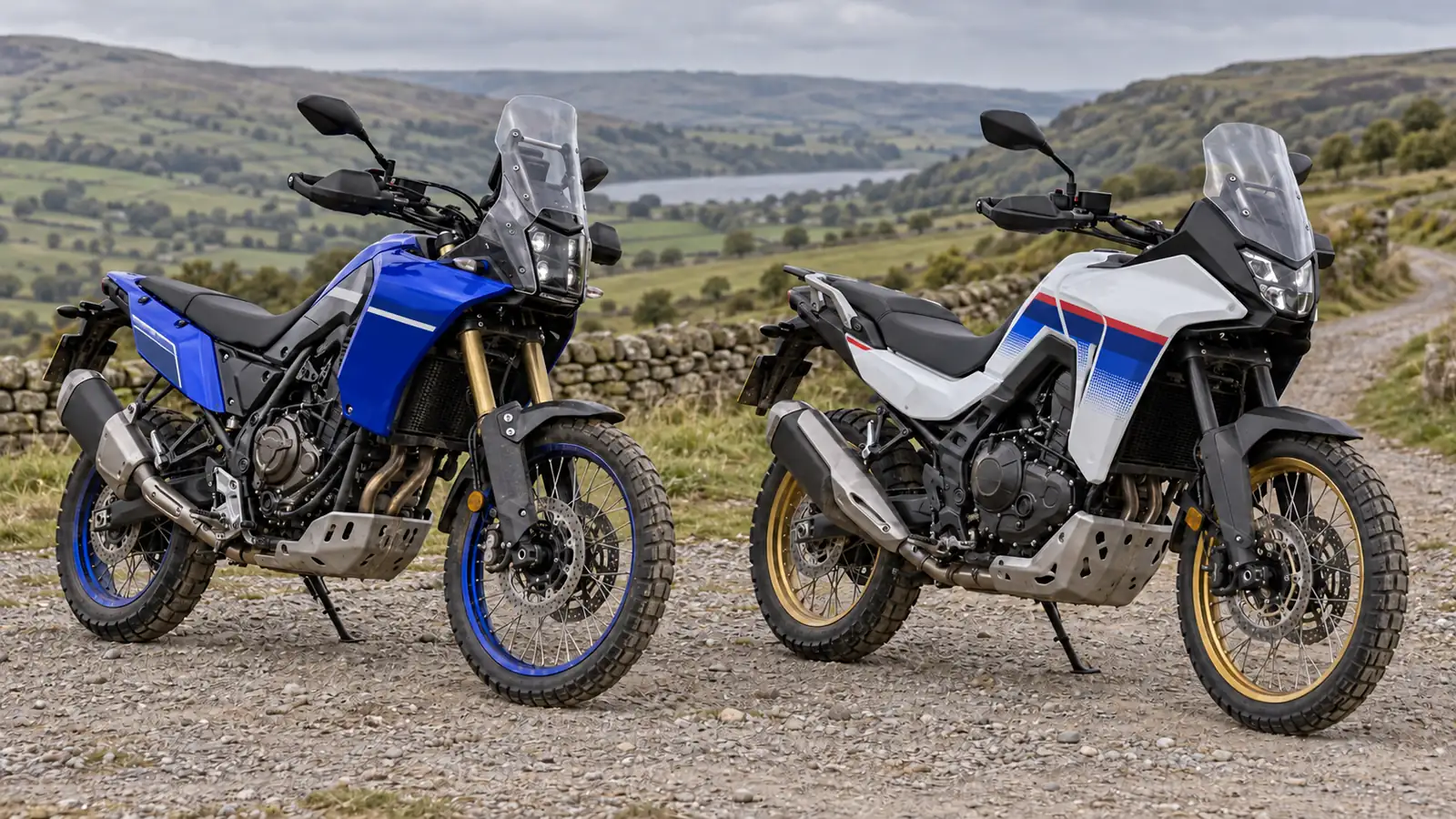
Long-travel suspension pushes adventure seats up, and the same travel can let the bike sink further when you sit, so the published figure tells you less here than in other classes. The Honda NC750X is the only adventure bike in this shortlist, at 800 mm and 214 kg, and at full power it isn't eligible for A2. The Yamaha TW200 is the lighter way into this group: at 126.1 kg it's the lightest bike on the page, with a 790 mm seat. If a taller adventure model appeals, ask the dealer what seat versions exist for the exact bike you're considering.
| Model | Seat height | Power | Published weight | Indicative licence category |
|---|---|---|---|---|
| Yamaha TW200 | 790 mm | 16 hp (12 kW) | 126.1 kg | A2 |
| Honda NC750X | 800 mm | 58 hp (43 kW) | 214 kg | Not eligible at full power |
Reaching the controls
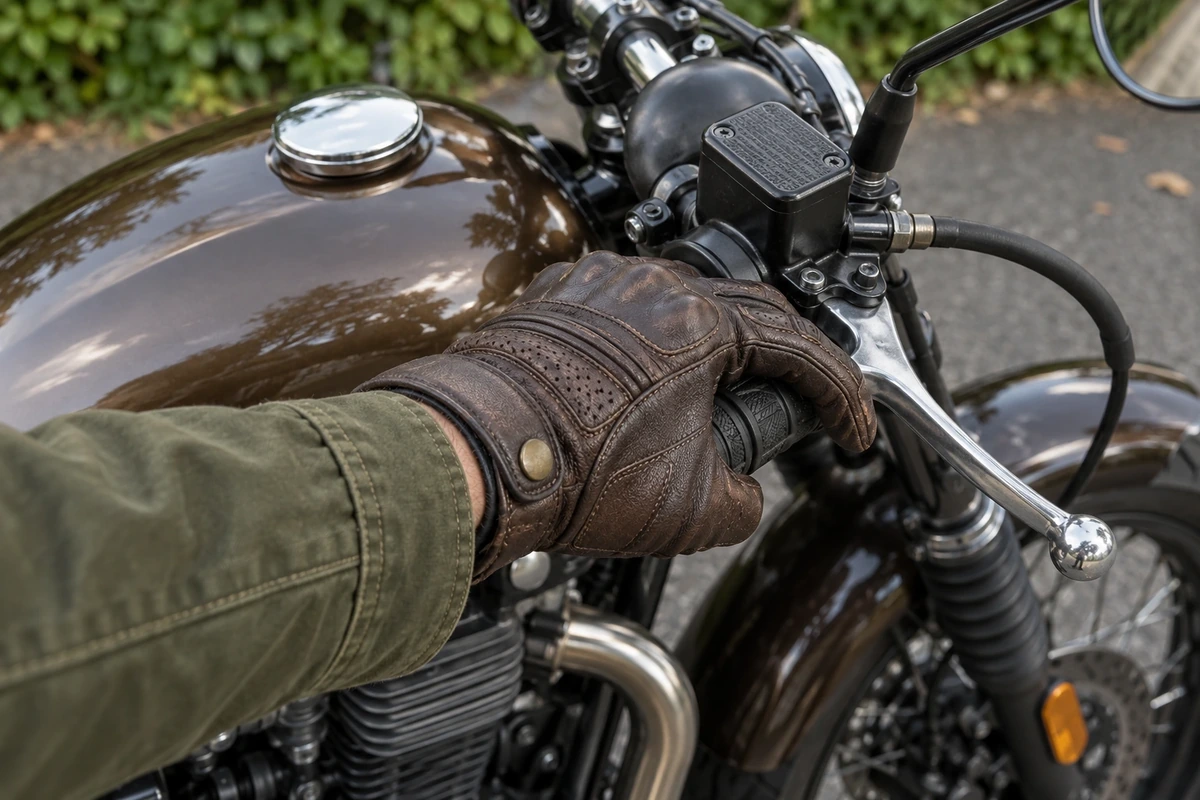
- Bars and levers. Reach to the ground gets most of the attention, but reach forward matters too, especially if your arms are on the short side. Sit with the bike upright and check that you can turn the bars to full lock without stretching, and that your fingers wrap over the brake and clutch levers while your palm stays on the grip. Whether the levers on a given model adjust for span is a question for the dealer.
- Foot controls. On a cruiser with forward-set pegs, the gear lever and rear brake pedal can sit further away than you expect, while on a sport bike they sit higher and further back. Put your feet on the pegs, go through a full upshift and downshift movement and press the brake pedal firmly. Then check how quickly you can get a foot from the peg back to the ground.
- Manoeuvring and steering lock. Much of the work happens below walking pace: a U-turn in a narrow street, pushing out of a garage, edging into a parking bay. Turn the bars from lock to lock while seated and again while standing beside the bike. If your inside arm has to stretch at full lock, or the bike turns wide, every tight turn will take more shuffling.
Showroom checklist
- Wear your riding boots. Bring the boots you'll actually ride in, not trainers, so the reach you feel is the reach you'll have.
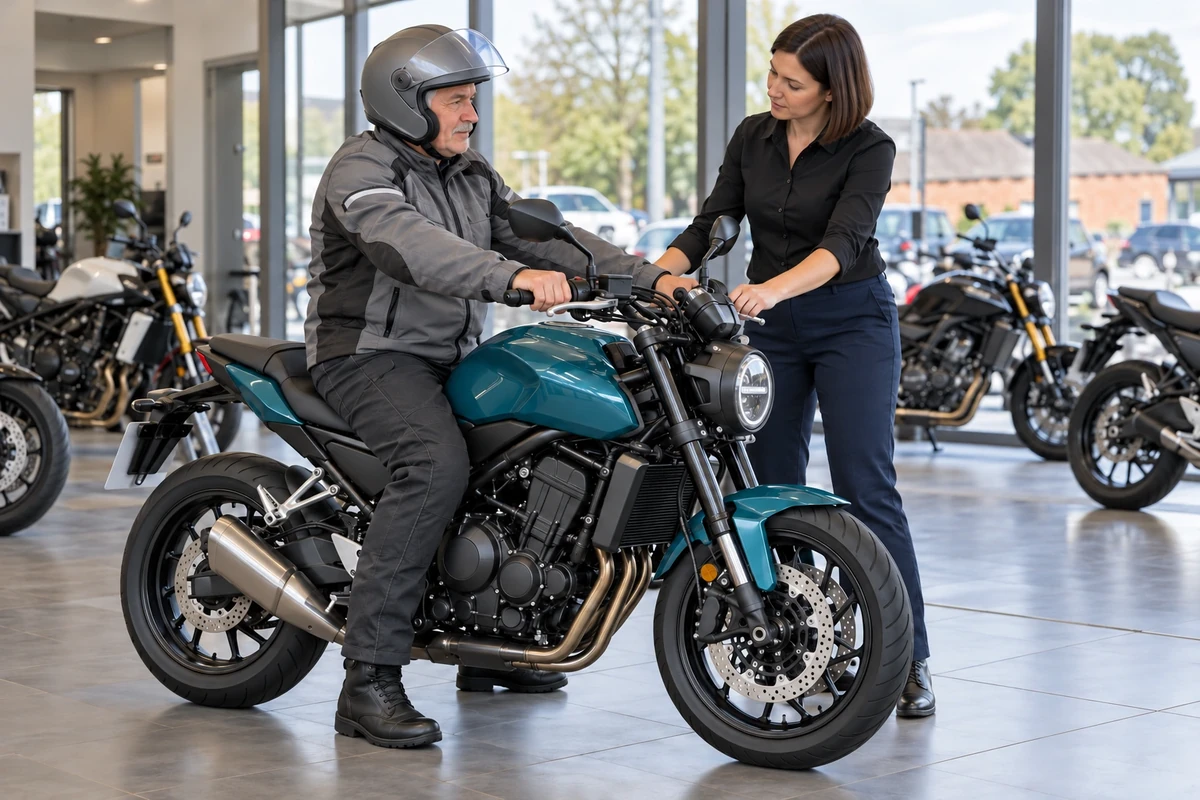
- Ask for a steadying hand. Have a member of staff hold the bike while you get on, especially if you're new to riding.
- Lift it off the side stand. Bring the bike upright, hold it there with your weight on the seat, then let it lean a little each way.
- Try both feet, then one. Note how much of each sole touches the floor, then shift your weight slightly to one side and see how firmly one foot plants.
- Walk it. Push the bike a few metres forwards and backwards beside you and turn the bars to full lock to feel how it moves at low speed.
When a bike is nearly right: seats and lowering
If a bike you like is a little too tall, there are routes to try before you rule it out, from a different seat or reshaped padding to changes in the suspension. Ask the dealer what seat versions exist for the exact model and year. Our class-by-class guide to low seat height motorcycles sets out the lowering options in more detail.
Lowering the suspension isn't a free fix. It changes how the bike handles, reduces ground clearance and can alter how the bike rests on its side stand. Talk to a dealer or a suspension specialist before changing anything, and remember that a lighter or naturally lower bike may solve the problem without any work at all.
Frequently asked questions
Which motorcycles suit short riders? There's no single answer, because comfort depends on your inseam, the bike's weight and the seat's shape as well as the published height. Cruisers have the lowest seats in this shortlist, while light naked bikes and small scooters leave you less weight to hold up. The tables above group 16 models by riding situation.
Can a short rider ride a sport bike? Yes, plenty do. The small-capacity sport bikes in our shortlist start at 780 mm, and the lightest, the Suzuki GSX-R125, weighs 137 kg. Check your forward reach to the bars as well as your reach to the ground, because the riding position leans you forward.
Is one foot on the ground enough? On level ground many riders manage with one foot down, or the toes of both. It gets harder on a camber, on loose surfaces, with luggage and on a heavier bike. How much margin you want is your call, and it's worth deciding before you start looking.
How much does sag lower the seat? It depends on the bike, the suspension set-up and your weight, and manufacturers don't publish it. Our calculator assumes about 30 mm. Long-travel suspension, as on adventure bikes, can let the seat drop further.
Can lowering make a tall bike work for me? Sometimes, but changing the suspension affects handling and ground clearance, so get advice from a dealer or a suspension specialist first. A different seat changes your reach without touching the suspension. Our class-by-class guide to low seat height motorcycles explains the options.
Which licence do I need for these bikes? In the UK and the EU, A1 covers bikes up to 125 cc, 11 kW and 0.1 kW/kg, and A2 covers bikes up to 35 kW and 0.2 kW/kg and, for restricted bikes, the original power must not exceed twice the restricted output. The licence column in our tables is indicative, and 'Not verified' means our data don't allow a safe classification. Rules differ by country and by version, so check the bike's papers and your own national requirements.
Do riding boots really make a difference? Yes. A firm, thicker sole adds reach, while a soft, thin one adds very little. Whatever you choose, you still need a clear feel for the gear lever and the rear brake pedal.